
Propagation
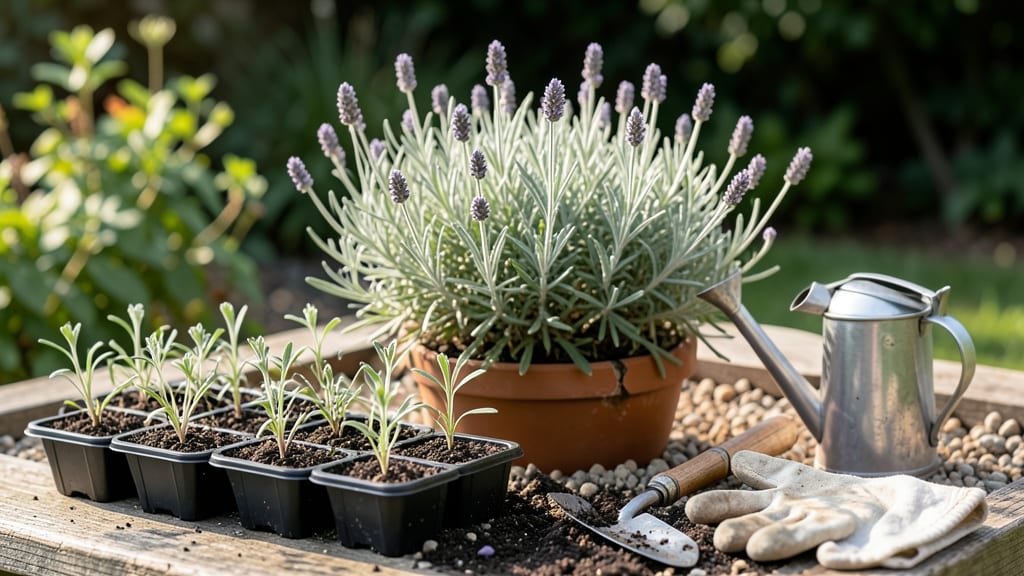
Growing lavender from seed outdoors means fragrant purple spikes in your garden by next summer—if you nail the timing and soil. 🌱 The key?
Starting seeds indoors 10-12 weeks before your last frost, then transplanting when soil reaches 60°F. Lavender seeds are stubborn about germinating, but once they do, they reward patience with drought-resistant plants that thrive in poor soil.
You’ll need well-draining soil (mix in sand or perlite), full sun (6+ hours daily), and a spot with good airflow to prevent fungal issues. Most beginners overwater—lavender hates soggy roots. After transplanting, water only when the top inch of soil feels dry, and avoid fertilizing until the second year.
The first blooms might take 6-12 months, but the aroma alone makes it worth the wait.
By late summer, you’ll have silvery foliage and those signature lavender blooms, perfect for sachets or cutting. The plants grow slowly at first but become hardy once established.
Just avoid rich soil—lavender prefers lean conditions. With the right care, your outdoor lavender will multiply over time, spreading into a fragrant, low-maintenance hedge.
Here’s the secret: lavender from seed is easier than you think, but it takes discipline. Skip the cuttings if you want variety—seeds give you more options, from English to Spanish types. Start small, and you’ll have a fragrant garden in just three seasons.
📚 In This Guide
- What you need
- Instructions
- Tips and common mistakes
- Wrapping up and next steps
What you need
- ● Lavender seeds: Choose cold-hardy varieties like English Lavender (Lavandula angustifolia) or Munstead Lavender (0.1–0.2 oz per plant, ~50–100 seeds for a small garden).
- ● Seed-starting trays or small pots: 4–6" deep with drainage holes (1–2 trays or 6–12 pots for 50+ seeds).
- ● Seed-starting mix: Lightweight, sterile potting mix (avoid garden soil—it’s too dense!). 1–2 cubic feet for trays/pots.
- ● Plastic domes or clear plastic wrap: To retain moisture during germination (1–2 sheets or a dome lid).
- ● Spray bottle: For gentle watering (500 mL–1 L capacity).
- ● Grow lights or sunny windowsill: 12–16 hours of light daily (LED grow lights work well if natural light is insufficient).
- ● Fertilizer: Balanced, water-soluble fertilizer (5-10-5 or 10-10-10 ratio; dilute to half-strength).
- ○ Hardening-off tray (optional but helpful): A shallow tray or mesh screen for acclimating seedlings to outdoor conditions.
- ● Sunlight: Full sun (6+ hours daily)—lavender thrives in hot, dry spots!
- ● Well-draining soil: Sandy or gravelly soil (pH 6.5–7.5). Amend heavy clay with perlite or coarse sand (1–2 gallons per planting area).
- ● Spacing: 18–24" apart for mature plants (account for bushy growth).
- ● Cold tolerance: Seeds germinate best at 60–70°F, but seedlings can handle light frost (28°F+).
- ● Heating mat (70–75°F) for faster germination (especially in cool climates).
- ● Mulch (gravel or pebbles) around mature plants to improve drainage.
- ● Pruning shears for shaping plants after flowering.
- ● Labels or markers to track seed varieties.
Step-by-step instructions for growing lavender from seed outdoors
Here's how to coax delicate lavender seedlings into hardy, fragrant plants ready for your garden.
🌱 Step 1: Start Seeds Indoors 8-10 Weeks Before Last Frost
Lavender seeds need warmth to germinate, so begin indoors under grow lights. Fill 2-inch deep seed trays with a mix of 50% sterile potting soil and 50% perlite—this prevents the dense soil from smothering tiny roots. Moisten the mix until it feels like a damp sponge, then press it down lightly to create a firm, even surface.
Sprinkle seeds thinly across the soil—lavender seeds are tiny, so don't worry about spacing them perfectly. Cover them with just a ¼-inch layer of fine sand (this mimics their natural rocky Mediterranean habitat) and mist gently with water until the surface looks uniformly damp. Place the tray in a plastic bag and seal it loosely to retain humidity.
💧 Step 2: Provide Warmth and Light for Germination
Keep the tray in a warm spot, ideally 70-75°F, until germination begins—this usually takes 2-4 weeks. A seedling heat mat helps maintain consistent warmth without overheating. Once sprouts appear, remove the plastic bag immediately to prevent mold, and move the tray under 14-16 hours of grow light daily.
Lavender seedlings grow slowly at first, so don't rush them. You'll know they're ready for transplanting when they develop 2-3 sets of true leaves (the second pair of leaves after the initial cotyledons). This typically happens after 6-8 weeks indoors. Harden them off by placing them outside in a sheltered spot for 2 hours daily, gradually increasing time over 10 days.
☀️ Step 3: Transplant Seedlings Outdoors in Spring
Choose a sunny location with full sun exposure and well-draining soil—lavender hates soggy roots. Space seedlings 12-18 inches apart in rows 2 feet apart to allow airflow. Dig holes slightly deeper than the root ball and mix in 1 part sand with the native soil to improve drainage.
Water seedlings deeply after transplanting, then let the soil dry out completely before watering again. Overwatering is the fastest way to kill lavender—you'll see yellowing leaves or wilting stems if moisture is too high. Mulch lightly with ½-inch of gravel or coarse sand around the base to protect roots from heat and retain moisture without suffocating the plants.
✂️ Step 4: Prune and Support for Bushy Growth
After the first growing season, lavender plants need shaping to encourage dense, fragrant growth. In early spring, trim back ⅓ of the previous year's growth just above a set of leaves. Use clean, sharp shears to make clean cuts—never tear stems, as this invites disease. You'll notice new shoots emerging from the base within 3-4 weeks.
Stake tall varieties like 'English lavender' with 3-foot bamboo stakes to prevent flopping in wind or rain. Lavender thrives in poor soil, so avoid fertilizing—too much nitrogen produces leafy growth at the expense of flowers. Instead, water deeply once every 2-3 weeks during dry spells, focusing on the root zone rather than the foliage.
🌿 Step 5: Harvest and Maintain for Long-Term Blooms
Harvest lavender just as buds begin to open for the strongest fragrance. Cut stems with 6-8 inches of stem attached and hang them upside down in a dry, dark place for 1-2 weeks to dry completely. Bundle stems with twine and trim the dried flowers into sprigs for potpourri or sachets.
In late fall, cut back stems to 4-6 inches tall to prepare for winter. Lavender is cold-hardy but benefits from a 2-inch layer of mulch around the base to insulate roots. In USDA Zones 5-6, protect young plants with a lightweight frost cloth during harsh winters. With proper care, your lavender will bloom reliably for 5-7 years, filling your garden with its signature fragrance.
Tips & tricks for perfect lavender growth
Here's what I learned after years of growing lavender from seed—these tricks will help you avoid common pitfalls and get the best results.
Soil Mix Matters: The 50% sterile potting soil and 50% perlite mix is crucial because lavender roots need excellent drainage. If your soil feels compacted or retains too much moisture, add an extra 10-20% perlite or coarse sand. I've seen lavender seedlings drown in regular garden soil that seems "perfect" for other plants—lavender is picky about its roots!
Germination Secret: Those 2-4 weeks of waiting can feel endless, but patience pays off. Place a small fan near your seed tray on a low setting (just enough to create gentle airflow) to prevent mold while keeping humidity high. This mimics the Mediterranean winds lavender is used to. I've found that removing the plastic bag as soon as sprouts appear prevents that dreaded fuzzy mold that can smother seedlings.
Lighting Hack: For the 14-16 hours of grow light daily, you don't need fancy equipment. A simple LED shop light with cool white bulbs works perfectly—I use one that's just 6 inches above my seed trays. Position it so the seedlings don't touch it (they'll get leggy if they do). If you notice seedlings stretching toward the light, rotate the tray daily so they grow evenly.
Transplant Timing: The 6-8 weeks indoors might feel like forever, but it's essential for establishing strong roots. When you see those 2-3 sets of true leaves, your seedlings are ready. I like to transplant on a cloudy day to reduce stress—sunlight can be intense after weeks indoors. Water deeply immediately after transplanting, then let the soil dry completely before watering again. This teaches them their drought-tolerant ways right from the start.
Pro Tips for Growing Lavender From Seed Outdoors
- Here's what I learned after years of growing lavender from seed—these tricks will help you avoid common pitfalls and get the best results.
- Soil Mix Matters: The 50% sterile potting soil and 50% perlite mix is crucial because lavender roots need excellent drainage.
- Germination Secret: Those 2-4 weeks of waiting can feel endless, but patience pays off.
Frequently asked questions
Got questions about growing lavender from seed? You’re not alone! Here are answers to the most common concerns—so you can cultivate fragrant, cold-resistant blooms with confidence.
How long does it take for lavender seeds to germinate?
Lavender seeds are notoriously slow to germinate—often taking 30 to 60 days (sometimes even longer!). Cold stratification (mimicking winter) for 6–8 weeks before planting boosts success. Patience is key—don’t give up if sprouts are late!
Can I plant lavender seeds directly outdoors in cold climates?
Yes, but timing matters! Wait until late spring or early summer (after the last frost) to sow seeds directly outdoors. Lavender thrives in well-draining soil and full sun—avoid soggy conditions. For colder zones, start seeds indoors 8–10 weeks before the last frost.
Why aren’t my lavender seeds sprouting? Troubleshooting tips?
Lavender seeds need light to germinate—don’t bury them deep (just press them into soil). Poor soil drainage, inconsistent moisture, or lack of cold stratification can also stall growth. Try soaking seeds in water for 24 hours before planting or use a seed-starting mix with perlite.
Will lavender grown from seed bloom the first year?
Unlikely! Most lavender grown from seed takes 1–2 years to flower. Focus on establishing strong roots first. Choose cold-hardy varieties like Lavandula angustifolia for faster results in cooler climates.
Are there easier alternatives to growing lavender from seed?
Propagating from cuttings or buying established plants is faster and more reliable. If you’re set on seeds, opt for pre-stratified varieties or mix lavender seeds with faster-growing herbs (like thyme) for a dual-purpose garden.
Wrapping up and next steps
Growing lavender from seed outdoors is a rewarding journey that brings fragrant beauty to your garden—and yes, it’s totally doable! 🌱 With patience, the right conditions, and a little care, you’ll soon enjoy cold-resistant blooms that thrive year after year.
Start small, track your progress, and don’t hesitate to experiment with varieties to find your perfect match.
Ready to take the next step? Plant your first seeds today! Whether you’re a beginner or a seasoned gardener, every seed sown is a step toward a more aromatic and vibrant outdoor space. Happy growing! 🌸