
Companion Plants
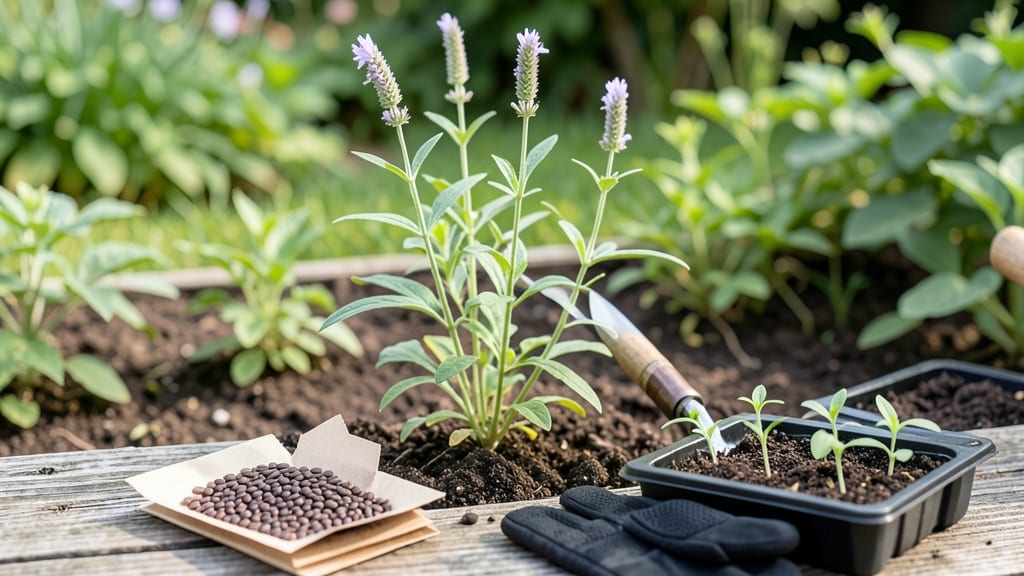
Growing chia plants from seed is the easiest way to get your own homegrown superfood—no greenhouse or fancy equipment needed. 🌱 I’ve grown them in pots on my balcony and in garden beds, and they thrive with almost no fuss, producing those tiny black seeds we all know (and love) for smoothies and puddings.
The key? Understanding their simple needs and letting them do their thing.
Chia plants love warmth and sun but can handle a range of climates—temperate zones grow them as annuals, while tropical areas might even get two harvests a year. Start with well-draining soil (they hate soggy roots) and a spot with at least 6 hours of sunlight daily.
Seeds sprout fast, and within 8-10 weeks, you’ll have plants ready to harvest—either for seeds, fresh greens, or even as an ornamental plant with its delicate white flowers.
Harvesting is where the magic happens: once the flowers fade, the seed pods turn brown, and you can simply rub them off by hand. One plant yields enough seeds for months of smoothie toppings, and the greens are edible too if you’re feeling adventurous.
The best part? Chia plants self-seed, so you might find volunteers popping up next season without any effort on your part.
If you’re growing in containers, just ensure pots are at least 6 inches deep and spaced 12 inches apart for airflow. In cooler climates, start seeds indoors 4-6 weeks before last frost—they germinate quickly, so don’t overwater.
And if pests like aphids show up, a quick spray of soapy water does the trick. Ready to grow your own chia stash?
📚 In This Guide
- What you need
- Instructions
- Tips and common mistakes
- Wrapping up and next steps
What you need
- ● Chia seeds: Organic, non-GMO seeds (1–2 lbs for planting). Look for varieties like Salvia hispanica.
- ● Containers or garden beds: For indoor/container growth: 6–12-inch deep pots with drainage holes (2–4 plants per pot).
- ● For outdoor planting: Well-draining soil in full sun (6+ hours/day).
- ● Potting mix: Lightweight, well-draining blend (e.g., cactus/succulent mix or 50% perlite/sand).
- ● Watering can or spray bottle: For gentle hydration (chia seeds hate soggy soil!).
- ○ Fertilizer (optional but helpful): Low-nitrogen, balanced organic fertilizer (e.g., fish emulsion or compost tea).
- ● Trowel or small shovel: For transplanting seedlings.
- ● Pruning shears: To trim dead flowers and encourage new growth.
- ● Grow lights (indoor only): LED full-spectrum lights (12–14 hours/day if natural light is limited).
- ● Mulch (outdoor only): Straw or shredded leaves to retain moisture.
- ● Harvesting tools: Clean scissors or a small knife for seed collection.
- ● Climate: Chia thrives in USDA zones 9–11. For cooler zones, grow indoors or in greenhouses.
- ● Temperature: Ideal range: 70–85°F (21–29°C). Avoid frost!
- ● Sunlight: Full sun is a must—chia seeds are sun-worshippers. 🌞
- ● Patience: From seed to harvest takes 4–6 months (longer in cooler climates).
Step-by-step guide to growing chia seed plants
Here's how to cultivate these drought-resistant beauties with almost no fuss.
🌱 Step 1: Select and Prepare Containers for Germination
Chia plants thrive in well-draining soil and containers that allow excess water to escape. Use 4-inch diameter pots for each plant—this gives roots room to establish without becoming waterlogged. I prefer terracotta because it breathes and helps prevent fungal issues. Fill each pot with 1 part potting mix and 1 part perlite to ensure excellent drainage.
Moisten the mix until it's damp but not soggy—you should be able to squeeze it gently and feel slight resistance without water dripping. Press the soil down lightly to remove air pockets, then create a small well in the center for the seed. This prevents seeds from washing away during watering.
☀️ Step 2: Plant Seeds and Provide Warm, Bright Conditions
Place 1-2 chia seeds into each well, pressing them ¼ inch deep into the soil. Cover lightly with additional mix—chia seeds need darkness to germinate, so don't bury them too deeply. Mist the surface with a spray bottle to keep the soil evenly moist but not wet.
Chia seeds germinate best in warmth (70-80°F) and bright, indirect light. Place the pots on a seedling heat mat or in a sunny windowsill (south-facing is ideal). You'll see tiny green sprouts in 7-14 days—this can vary based on temperature and humidity, so don't rush it.
💧 Step 3: Thin Seedlings and Transition to Full Sun
Once seedlings reach 1-2 inches tall, thin them to one plant per pot by gently pulling the weaker sprout. This prevents overcrowding and ensures each plant gets enough nutrients. Water lightly after thinning to settle the soil around the remaining seedling.
Move the pots to a location with full sun (6+ hours daily) as soon as seedlings are established. Chia plants love heat and light—you'll notice leaves turning a deeper green and stems thickening within a week. If growing indoors, supplement with a grow light 4-6 inches above the plants for 12-14 hours daily.
✂️ Step 4: Maintain with Minimal Water and Fertilizer
Chia plants are incredibly drought-tolerant once established, but they need consistent moisture during growth. Water every 3-4 days, allowing the top inch of soil to dry out between waterings. Overwatering leads to root rot, so always check moisture before adding more water.
Fertilize lightly once a month with a balanced, water-soluble fertilizer (diluted to half strength). Chia plants don't need much—too much fertilizer encourages leafy growth at the expense of seed production. Watch for small white flowers to appear in 3-4 months, signaling the plant is ready for pollination.
🌿 Step 5: Harvest and Encourage Regrowth
When flower spikes turn brown and dry, it's time to harvest. Gently twist the seed heads off the stems and spread them on a paper towel to dry for 2-3 days. Store the seeds in an airtight container in a cool, dark place—they'll keep for years.
After harvesting, trim the plant back by half its height to encourage a second flush of growth. With proper care, chia plants can produce multiple harvests per year, making them a low-maintenance perennial in warm climates. If frost threatens, bring pots indoors to a sunny spot and reduce watering slightly during dormancy.
Tips & tricks for perfect chia seed plant cultivation
Here's what nobody tells you about growing chia plants—these tricks make all the difference between struggling sprouts and thriving harvests.
Container Selection: While 4-inch pots work perfectly, consider using fabric grow bags for chia plants—they allow even better airflow to the roots and prevent waterlogging. If you're growing multiple plants, opt for shallow trays with drainage holes instead of deep containers, as chia plants have shallow root systems. I've found that terracotta pots actually dry out too quickly in hot climates, so plastic pots with drainage holes can be a better compromise.
Germination Environment: The 70-80°F temperature range is ideal, but chia seeds are surprisingly resilient. If your home runs cooler, place pots on a seedling heat mat set to 75°F for the first 7 days to jumpstart germination. For humidity control, cover pots with clear plastic wrap (with tiny holes for airflow) to create a mini greenhouse effect—this can cut germination time by 3-4 days. Just remember to remove the cover once sprouts appear.
Light Transition Strategy: When moving seedlings to full sun in Step 3, don't do it all at once. Start with 3 hours of direct sun daily for the first week, then gradually increase to the full 6 hours. This prevents sunburn on tender new leaves. For indoor growers, position plants 12-18 inches from windows for the first week before moving to the recommended 4-6 inches above grow lights.
Harvesting Hack: The 2-3 day drying period is crucial, but you can speed it up by placing seed heads in a dehydrator at 95°F for 1 hour instead of air-drying. For large harvests, spread seed heads on wire cooling racks instead of paper towels—they dry more evenly and prevent mold from trapped moisture. Store dried seeds in glass jars with oxygen absorbers for maximum shelf life.
Pro Tips for Growing Chia Seed Plants
- Here's what nobody tells you about growing chia plants—these tricks make all the difference between struggling sprouts and thriving harvests.
- Container Selection: While 4-inch pots work perfectly, consider using fabric grow bags for chia plants—they allow even better airflow to the roots and prevent waterlogging.
- Germination Environment: The 70-80°F temperature range is ideal, but chia seeds are surprisingly resilient.
Frequently asked questions
Got questions about growing chia seed plants? You’re not alone—chia’s popularity brings plenty of curiosity! Here are answers to common concerns to help you cultivate this easygoing crop with confidence.
How long does it take for chia plants to grow and produce seeds?
Chia plants typically mature in 90–120 days from germination, depending on climate and care. In warm conditions (60–80°F), expect flowers to bloom in 6–8 weeks, followed by seed production. Patience pays off—harvest when seed heads turn brown and dry!
Can I grow chia seeds indoors or in containers?
Chia thrives in 5–6 inch deep containers with drainage. Place them near a sunny window (6+ hours of light) or use a grow light. Just ensure consistent moisture and rotate pots occasionally for even growth. Pro tip: Use a well-draining mix like cactus soil!
What pests or diseases should I watch for?
Chia is pest-resistant, but watch for aphids, spider mites, or fungal issues in humid climates. Remove affected leaves promptly and improve airflow. Overwatering is the #1 enemy—let soil dry slightly between waterings to prevent rot. Prevention: Neem oil spray can deter pests naturally!
Can I replant chia seeds from store-bought chia seeds?
Yes! Store-bought chia seeds will sprout—just soak them overnight first to break dormancy. However, commercial seeds may be treated or older, so germination rates might be lower. For best results, buy organic, untreated seeds labeled for planting.
Why aren’t my chia plants flowering?
Flowering delays often stem from insufficient light, overcrowding, or nutrient deficiencies. Ensure plants get full sun (6+ hours/day), thin seedlings if needed, and fertilize lightly with compost tea. If indoors, supplement with a grow light. Bonus: Stress from slight drought can trigger blooms!
Wrapping up and next steps
Growing chia seed plants is a rewarding journey that delivers nutrient-rich harvests with minimal effort—perfect for beginners and seasoned gardeners alike! 🌱 With just the right soil, sunlight, and a sprinkle of patience, you’ll enjoy a year-round supply of these super-seeds.
Whether you’re growing them for health benefits or as a companion plant, chia’s resilience makes it a standout addition to any garden.
Ready to take the next step? Start small with a few pots or dedicate a patch of your garden—your future chia harvest awaits! 🌿