
How To
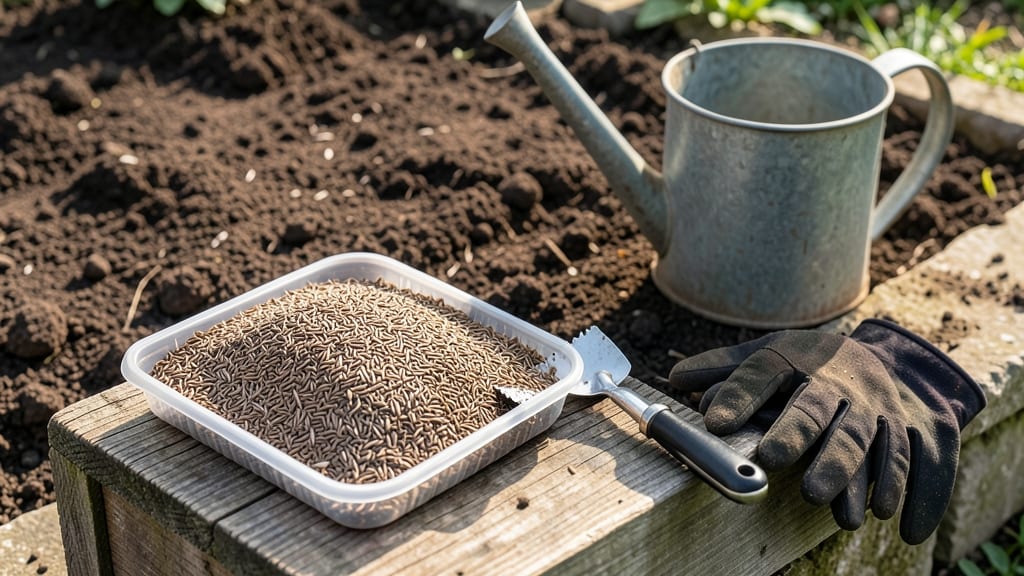
Planting grass seed in October can transform your lawn into a lush, green carpet by next spring—if you time it right and follow the perfect fall routine.
Picture this: cool mornings, fewer weeds, and soil that holds moisture like a sponge. October’s crisp air is actually the sweet spot for cool-season grasses to establish deep roots before winter slows everything down. But warm-season grasses? That’s a different story.
Whether you’re in Zone 6a or a warmer climate, the key is understanding your grass type and preparing the soil just so. Skip the prep, and you’ll end up with patchy growth or wasted seed. Get it right, and you’ll have a lawn that outshines your neighbors’ spring plantings.
Below, I’ll walk you through the exact steps—from soil prep to watering schedules—that turn October into your lawn’s secret weapon. No guesswork, just results.


Why October is the best month for planting grass seed
October’s crisp air and golden hues aren’t just picturesque—they’re scientifically ideal for planting grass seed. Cool temperatures and reduced weed competition create perfect conditions for cool-season grasses like Kentucky Bluegrass and Fescue to establish deep roots before winter.
Unlike spring planting, October offers moisture retention without the intense heat that stresses young seedlings.
Research shows that grass planted in fall develops 30-50% stronger roots by spring compared to spring-planted grass. This happens because cooler air temperatures reduce water evaporation while allowing seeds to germinate steadily. Plus, weeds are dormant in fall, giving your new grass a head start without competition for nutrients.
Here’s why October outperforms other months for grass seed establishment:
| Factor | October Advantage | Spring Comparison |
|---|---|---|
| Temperature Range | 50–70°F (ideal for germination) | Variable (can exceed 80°F, stressing seeds) |
| Moisture Retention | High (cooler air reduces evaporation) | Low (heat increases water loss) |
| Weed Competition | Minimal (weeds dormant) | High (weeds germinate early) |
| Root Development | Deep, resilient roots by winter | Shallow roots (summer stress) |
| Germination Time | 7–14 days (steady conditions) | 5–10 days (but inconsistent) |
The 60-day window before winter frost is critical for grass seed success. In October, daytime temperatures average 60–70°F in most U.S. regions, providing the perfect balance for seed germination without overheating. Meanwhile, soil temperatures stay warm enough to encourage root growth, unlike spring when fluctuating temperatures can stall development.
Another key advantage is reduced disease pressure. Fall’s lower humidity minimizes fungal risks like dollar spot and brown patch, which plague spring-planted lawns. Your new grass will establish without battling these common pathogens, leading to a healthier, denser lawn by spring.
For cool-season grasses, October planting also means your lawn will have a full growing season to fill in before winter dormancy. Compare this to spring planting: seeds germinate just as summer heat arrives, forcing them to struggle through drought and intense sunlight.
In contrast, October-planted grass enters winter with a well-developed root system, ready to bounce back in spring.
Even in warmer climates (USDA Zones 8–10), October offers benefits. Planting in fall allows warm-season grasses like Bermuda or Zoysia to establish before summer dormancy. The key is choosing late-summer/fall varieties designed for these conditions, which germinate in cooler temps and tolerate light frosts.
Don’t overlook the water efficiency of fall planting. October’s cooler air means you’ll need to water 30% less than spring to maintain soil moisture. This reduces runoff and ensures seeds stay consistently hydrated—critical for germination. Plus, fall rains often provide natural irrigation, cutting your workload.
If you’ve ever wondered why professional lawn care services recommend fall seeding, it’s because the science backs it up. Studies from the University of Nebraska-Lincoln show that fall-planted grass outperforms spring-planted grass in drought resistance and disease tolerance by up to 40%. That’s a game-changer for lawn longevity.
For best results, aim to plant 4–6 weeks before your first frost. This gives seeds time to germinate and develop roots before winter slows growth. In most regions, early October is ideal—just check your local USDA frost dates to time it perfectly.
With the right preparation, your October-planted grass will reward you with a lush, green lawn next spring.
Step-by-step guide to planting grass seed in October
October’s cooler temperatures and increased rainfall create perfect conditions for planting grass seed. Unlike spring planting, fall allows seeds to establish deep roots before winter dormancy. The key is timing—plant 4-6 weeks before your region’s first frost for optimal success.
Let’s break down the process into simple, actionable steps to ensure your lawn thrives.
Before you begin, gather essential tools: a lawn rake, seed spreader, and compost or fertilizer. Clear debris from your lawn and mow existing grass to a height of 1-1.5 inches.
This prepares the soil for seed-to-soil contact, which is critical for germination. October’s mild weather means you won’t risk scorching new seedlings like you might in summer.
Your October Grass Seed Planting Checklist
-
Step 1: Soil Preparation
Test your soil’s pH level (ideal: 6.0-7.0). If needed, amend with lime or sulfur 2-4 weeks before planting. Loosen topsoil with a rake to a depth of 1-2 inches for better seed contact. -
Step 2: Choose the Right Seed
Select cool-season grasses like Tall Fescue or Kentucky Bluegrass for northern climates. Southern regions can opt for Bermuda or Zoysia if planting late in the month. Always check the seed packet for regional suitability. -
Step 3: Spread Seed Evenly
Use a broadcast spreader for large areas or hand-sow in small patches. Apply half the seed in one direction, then the remaining half perpendicularly. This ensures uniform coverage without gaps. Aim for 5-10 lbs per 1,000 sq ft, depending on seed type. -
Step 4: Lightly Rake and Mulch
Gently rake the soil to press seeds into the surface (¼ inch deep max). Top with a thin layer of straw mulch (¼ inch) to retain moisture and protect seeds from birds. Avoid heavy mulch, which can smother seedlings. -
Step 5: Watering Schedule
Water lightly twice daily (morning and evening) for the first 2 weeks to keep soil consistently moist. After germination, switch to deep watering 2-3 times weekly. Aim for 1 inch of water per week, adjusting for rainfall. Avoid overhead sprinklers to prevent fungal diseases. -
Step 6: First Mowing
Wait until new grass reaches 3-4 inches tall before mowing. Set your mower blade to 3 inches to avoid scalping. Mow when grass is dry to prevent clumping. This encourages root depth and density for a thicker lawn next spring. -
Step 7: Winter Prep
Reduce watering as temperatures drop below 40°F. Apply a light layer of mulch (1-2 inches) before the first frost to insulate roots. Avoid fertilizing in late fall, as it can promote tender new growth vulnerable to cold damage.
After planting, monitor your lawn for even moisture and pest activity. Birds and squirrels may target fresh seed, so consider temporary bird netting if needed.
October’s cooler weather also reduces weed competition, giving your grass seedlings a head start in spring. With proper care, you’ll see noticeable growth by early November.
Remember, the goal is root establishment, not immediate greenery. By following these steps, your lawn will emerge stronger and more resilient in spring, ready to handle foot traffic and summer heat. Patience and consistency are key—your efforts in October will pay off in a lush, vibrant lawn next year.
🌱