
Planting
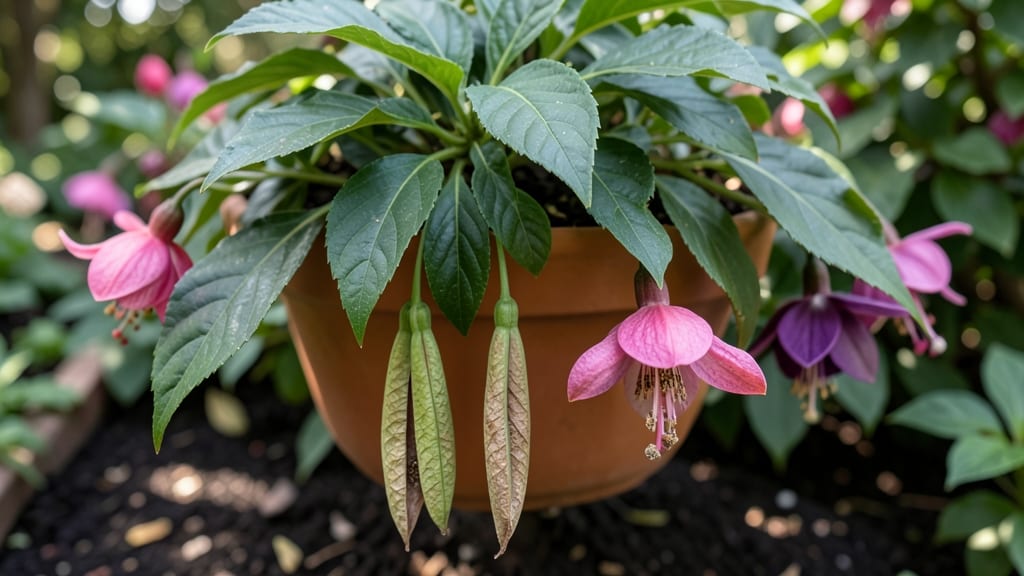
Those little fuchsia seed pods hold the secret to next year’s showstopping blooms—if you handle them right. 🌸 I’ve learned that skipping this step means missing out on rare varieties and the pure joy of growing plants from seeds you collected yourself.
The process is simpler than it looks, and once you master it, you’ll never buy fuchsia seedlings again.
All you need is patience, a pair of scissors, and a warm, dry spot to let those pods mature. Harvest them when they turn brown and papery, then split them open to reveal the tiny seeds inside.
Store them in an envelope until spring, and you’ll be ready to start a whole new generation of fuchsias with just a few simple supplies.
By the time spring rolls around, you’ll be planting seeds that could grow into plants with vibrant pink, purple, or white blooms—exactly the colors you love. The key is keeping the seeds dry and cool until planting time, so they stay viable and ready to sprout when you’re ready.
This method works for both trailing and upright fuchsias, and it’s perfect for gardeners who want to save money while expanding their collection. Here’s how to do it without any guesswork—just follow the steps, and you’ll have seedlings ready for transplanting in just a few weeks.
📚 In This Guide
- What you need
- Instructions
- Tips and common mistakes
- Wrapping up and next steps
What you need
- ● Fuchsia plants with mature seed pods: Choose healthy plants with fully developed, brown, or slightly wrinkled pods (usually after blooms fade). Aim for at least 5-10 pods for a good yield.
- ● Pruning shears or sharp scissors: Sterilized tools to avoid spreading disease (small, clean cuts are key!).
- ● Paper bags or brown lunch bags: 2-3 bags (one per pod or a few pods per bag) to collect seeds and prevent moisture loss.
- ● Drying surface: Option 1: A clean, well-ventilated area (like a mesh screen, cardboard box with holes, or a paper towel-lined tray).
- ● Option 2: A seed-starting tray with a fine mesh or parchment paper to elevate pods for airflow.
- ● Fine-mesh sieve or sifter: To separate seeds from chaff once pods are dry.
- ● Small envelopes or airtight containers: For storing seeds (label with the fuchsia variety and date!).
- ● Planting trays or pots: 2-4 small pots (3-4 inches deep) with drainage holes for germination.
- ● Seed-starting mix: A light, sterile potting soil (avoid garden soil—it’s too dense!).
- ● Spray bottle with water: For gentle misting during germination.
- ○ Plastic wrap or humidity dome: Optional, to create a mini greenhouse effect.
- ● Desiccant packets: Place one in your seed storage container to absorb excess moisture.
- ● Grow lights: If your space lacks natural light for seedling growth.
- ● Plant labels: To track varieties and planting dates.
- ● Fungicide (mild, like neem oil): A preventive spray for seedling health.
- ● Journal or notebook: To log pod collection dates, drying times, and germination progress.
How to harvest, dry, and plant fuchsia seed pods for new growth
Turn this season’s spent blooms into next year’s vibrant fuchsias with just a few simple steps.
🌿 Step 1: Identify and Harvest Mature Seed Pods
Wait until the seed pods turn from green to a deep, papery brown—this means they’re fully mature and ready for collecting. I like to harvest on a dry morning when the pods are crisp and easy to handle. Gently twist or pinch the pod at its base to remove it without damaging the plant.
You’ll know a pod is ripe when it feels dry and hollow inside. If it’s still green or soft, leave it to mature another week. Collect pods in a paper bag to prevent moisture buildup, which can cause them to rot before drying. Handle them carefully—they’re delicate and can split open if squeezed too hard.
💧 Step 2: Dry the Seed Pods Properly
Spread the harvested pods in a single layer on a dry, well-ventilated surface, like a mesh screen or a piece of cardboard. Place them in a warm, dry spot away from direct sunlight—too much heat can scorch the pods and ruin the seeds inside. A temperature of 65-75°F works best for even drying.
Check the pods every few days. They’re ready when they’re completely dry and brittle—you should be able to crush them easily between your fingers. This process usually takes 2-3 weeks, depending on humidity levels. If your home is damp, drying may take longer; consider using a small fan to improve airflow.
✂️ Step 3: Extract and Store the Seeds
Once the pods are fully dry, gently crush them between your fingers or a mortar and pestle to release the tiny, dark seeds. Fuchsia seeds are so small that a single pod can yield dozens—don’t be surprised if you end up with more seeds than you expected! Use a fine sieve to separate the seeds from the chaff and debris.
Store the seeds in a labeled envelope or small container with a desiccant packet to keep them dry. Place the container in a cool, dark spot—like a refrigerator drawer—where they’ll stay viable for up to 2 years. Label the envelope with the fuchsia variety and the harvest date to keep track of your collection.
🌱 Step 4: Plant the Seeds for Germination
Start the seeds indoors 8-10 weeks before your last frost date, using a lightweight seed-starting mix. Sprinkle the seeds on the surface of the mix—fuchsia seeds don’t need to be buried, as they require light to germinate. Lightly press them into the soil with your finger, then mist the surface with water until it’s evenly moist but not soggy.
Cover the container with clear plastic wrap or a humidity dome to retain moisture and warmth. Place it in a warm spot (70-75°F) until germination begins, which typically takes 14-21 days. Keep the soil consistently moist but never waterlogged—overwatering can cause the seeds to rot before they sprout.
☀️ Step 5: Care for Seedlings Until Transplanting
Once the seedlings emerge, remove the plastic cover and move them to a bright spot with indirect light to prevent leggy growth. Fuchsia seedlings are sensitive to direct sunlight at this stage, so a south-facing window with sheer curtains works well. If you notice the seedlings stretching toward the light, they need more space or a grow light.
Thin the seedlings to the strongest 2-3 per container once they develop their first true leaves. Transplant them into individual pots when they’re 3-4 inches tall, using a well-draining potting mix. Harden them off outdoors over 10-14 days before planting in the garden after the last frost date.
Tips & tricks for perfect fuchsia seed pod harvesting
These simple tricks will help you turn this season's fuchsia blooms into next year's thriving plants with minimal fuss.
Harvesting Tip: I’ve learned the hard way that harvesting on a dry morning makes all the difference. The pods are crisp and easier to handle, and they won’t stick to your fingers or tear apart when you try to remove them. If you must harvest later in the day, let the pods dry out completely first—this prevents them from rotting in your collection bag.
Drying Strategy: The 2-3 week drying time in Step 2 can feel like forever, but patience pays off here. If your home is particularly humid, prop up a small fan near your drying surface to improve airflow without risking heat damage. I’ve had the best success using a mesh screen over a cardboard box—it keeps everything contained while allowing air to circulate freely.
Seed Extraction: When crushing dried pods to release seeds, work over a piece of dark-colored paper or a tray. Fuchsia seeds are tiny and dark, so they’ll blend right in with any chaff or debris if you’re not careful. A fine sieve makes cleanup effortless, but if you don’t have one, just shake the seeds over the paper and gently blow away the lighter debris with a straw.
Germination Hack: For faster germination in Step 4, place your seed container inside a clear plastic bag with a few drops of water added to the bottom—this creates a mini greenhouse effect. Just make sure to remove the bag as soon as seedlings emerge to prevent mold growth. I’ve seen germination times drop from 21 days to as little as 10 days using this method.
Pro Tips for Fuchsia Plant Seed Pods
- These simple tricks will help you turn this season's fuchsia blooms into next year's thriving plants with minimal fuss.
- Harvesting Tip: I’ve learned the hard way that harvesting on a dry morning makes all the difference.
- Drying Strategy: The 2-3 week drying time in Step 2 can feel like forever, but patience pays off here.
Frequently asked questions
Got questions about fuchsia seed pods?
You’re not alone! Here are answers to the most common queries—from harvesting to troubleshooting—so you can grow next year’s fuchsia blooms with confidence.
When are fuchsia seed pods ready to harvest?
Harvest seed pods when they turn papery brown and split open naturally—usually 6–8 weeks after flowering. Wait too long, and seeds may scatter or lose viability. Pro tip: Shake a ripe pod over a paper bag to catch seeds easily!
Can I save seeds from hybrid fuchsias?
Yes, but expect unpredictable results—hybrids may not grow true to parent plants. For consistent blooms, buy named seeds or propagate via cuttings. If experimenting, label seeds by parent plant for tracking!
How long do fuchsia seeds stay viable for planting?
Fresh seeds sprout best within 1–2 months of harvest, but viability drops after 6 months. Store them in a cool, dry place (like a sealed envelope in the fridge) to extend shelf life. Troubleshooting: If seeds sit too long, soak in warm water overnight before planting.
What’s the best way to dry fuchsia seed pods?
Let pods air-dry indoors for 1–2 weeks in a well-ventilated spot (no direct sunlight). Avoid rush-drying with heat—it can crack pods or kill seeds. Once fully dry, gently crush pods to release seeds into a bag.
Why aren’t my fuchsia seeds germinating?
Common culprits: old seeds, too-deep planting (seeds need light), or cold soil. Try these fixes:
Fuchsias thrive in USDA Zones 9–11 outdoors year-round, but most gardeners grow them as annuals or container plants in cooler zones. Start seeds indoors 8–10 weeks before last frost or use a greenhouse. Bonus: Bring potted fuchsias inside in winter for repeat blooms!
Can I grow fuchsias from seed pods in all climates?
Wrapping up and next steps
Growing fuchsias from seed pods is a rewarding way to cultivate vibrant blooms year after year! 🌸 With patience and care, you can transform those tiny pods into thriving plants that’ll brighten your garden.
Whether you’re a seasoned gardener or just starting out, every step—from harvesting to planting—brings you closer to a lush, colorful future.
Ready to dive in? Start by gathering your supplies and follow the simple steps outlined above. Before you know it, your garden will be bursting with fuchsia beauty—just waiting for you to enjoy! 🌱✨