
Lawn
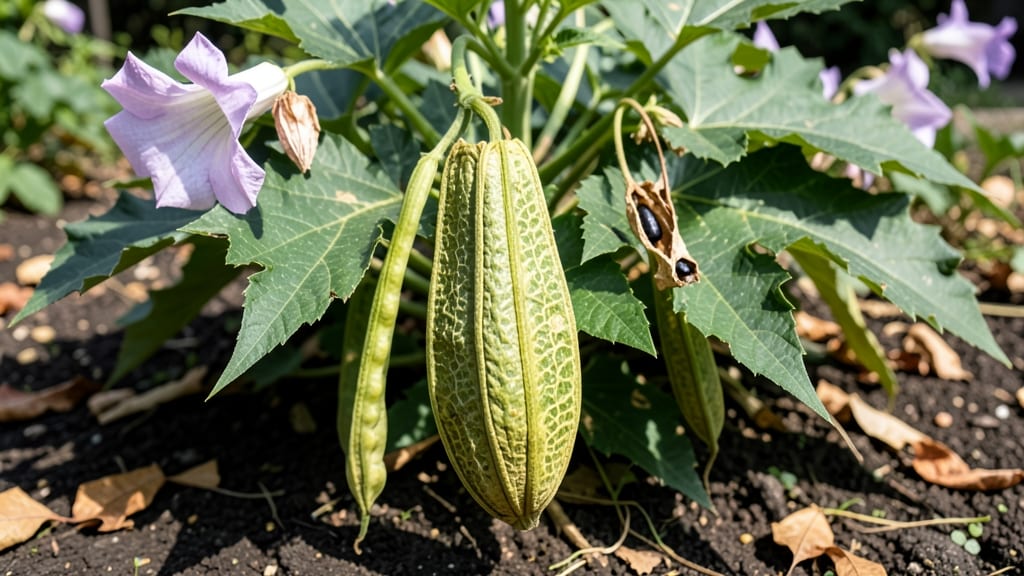
Handling devil's trumpet seed pods unlocks a world of dramatic, fragrant blooms—but only if you break dormancy right. 🌿 These pods contain seeds that need special treatment to sprout reliably, and I’ve learned the exact timing and methods that work after years of trial and error with Brugmansia seedlings.
The first step is knowing when to collect pods—wait until they turn brown and papery, usually 6-8 weeks after flowering. Then comes the tricky part: extracting the seeds and preparing them for germination, which often requires a cold stratification period to mimic natural conditions.
I’ll walk you through the whole process, including how to avoid the most common pitfalls that kill seedlings before they even sprout.
Once you’ve got those seeds germinating, you’ll be rewarded with fast-growing seedlings that eventually produce the iconic, moon-shaped blooms these plants are famous for. The key is patience—these plants grow quickly once they break dormancy, but they need consistent care to thrive from the start.
Whether you’re growing in containers or planting directly into the ground, I’ll cover the best practices for your climate and how to keep your devil’s trumpet plants healthy year after year.
Safety note: all parts of the plant are toxic, so handle with gloves and keep away from pets and children.
📚 In This Guide
- What you need
- Instructions
- Tips and common mistakes
- Wrapping up and next steps
What you need
- ● Devil’s Trumpet seed pods: 3–5 fresh, mature pods (harvested from a healthy plant or purchased from a reputable supplier). Pro tip: 💡 Choose pods that are plump and slightly wrinkled—these are ripe and ready!
- ● Well-draining potting mix: 5–10 gallons (depending on pot size). Use a blend of peat moss, perlite, and compost (ratio: 40% peat, 30% perlite, 30% compost). 🌡️ Avoid heavy clay soil—root rot is a silent killer!
- ● Seed-starting trays or small pots: 4–6 (3–4 inches deep). ✨ Use biodegradable pots if transplanting directly into the garden.
- ● Grow lights or a sunny windowsill: 6–8 hours of bright, indirect light daily (south-facing window or LED grow lights).
- ● Misting bottle or spray nozzle: For gentle hydration without disturbing seeds.
- ● Humidity dome or plastic wrap: To maintain moisture during germination.
- ● Fertilizer (balanced, water-soluble): 10-10-10 NPK ratio (diluted to half-strength). 🎯 Start fertilizing only after seedlings sprout their second set of leaves!
- ● Pruning shears: For harvesting seed pods or trimming spent blooms.
- ● Thermometer/hygrometer: Ideal germination temp: 65–75°F (18–24°C); humidity: 70–80%.
- ○ Heat mat (optional): Speeds up germination if your space is cool.
- ● Trellis or stakes: Devil’s Trumpet grows 6–10 feet tall—support is key!
- ● Slow-release fertilizer pellets: Mix into soil at planting for steady nutrients.
- ● Compost tea or worm castings: Boosts soil microbial activity for healthier roots.
Step-by-Step instructions for growing devil's trumpet from seed pods
Here's how I break dormancy and coax reliable blooms from these tricky seed pods.
🌱 Step 1: Collect and Prepare the Seed Pods
Harvest mature seed pods when they turn papery brown and begin splitting open naturally. I always collect them on a dry day and let them air-dry completely in a paper bag for 2-3 weeks—this mimics their natural dormancy period. The longer they dry, the better they'll break dormancy later.
Once fully dry, gently crack open each pod to reveal the glossy black seeds inside. Store them in an airtight container in a cool, dark place until you're ready to plant. These seeds are notoriously slow to germinate, so patience is key—don't rush the drying process or you'll end up with weak seedlings.
💧 Step 2: Stratify the Seeds for Dormancy Breaking
Place the seeds in a plastic bag with a damp paper towel and seal it tightly. I refrigerate this setup for 8-12 weeks—this cold treatment mimics winter conditions and tricks the seeds into thinking they've survived a dormant season. Check the bag weekly to ensure the paper towel stays moist but not soggy.
After the cold treatment, soak the seeds in warm water for 24 hours before planting. This final hydration jumpstarts germination. I know it seems like a long wait, but this step makes all the difference—skipping stratification often results in seeds that never sprout or produce weak, leggy plants.
☀️ Step 3: Plant in Warm, Well-Draining Soil
Fill small pots with a mix of 50% potting soil and 50% perlite to ensure excellent drainage—Devil's Trumpet hates soggy roots. Plant the seeds just below the soil surface, about ¼ inch deep, and space them 2 inches apart in each pot.
Keep the soil consistently moist but never waterlogged during germination. Place the pots in a warm spot with temperatures between 65-75°F. Germination can take 4-8 weeks, so be patient. You'll know it's working when you see the first tiny green shoots poking through the soil.
🌿 Step 4: Provide Bright, Indirect Light
Once seedlings emerge, move them to a location with bright, indirect light. Devil's Trumpet seedlings are sensitive to direct sun, which can scorch their tender leaves. I use a grow light on a timer set for 12-14 hours per day to ensure consistent growth.
Wait until seedlings develop their second set of true leaves before transplanting. At this stage, they should be about 2-3 inches tall and have a sturdy stem. Transplant carefully, using the same well-draining soil mix, and give them a gentle drink of water to help them settle in.
⏰ Step 5: Transition to Outdoor Conditions Gradually
After 2-3 weeks of consistent growth indoors, begin hardening off the seedlings by placing them outside in a sheltered spot for 1-2 hours the first day. Gradually increase their outdoor time over 10-14 days, watching for any signs of stress like wilting or yellowing leaves.
Once fully hardened off, transplant the seedlings to their permanent location in the garden. Devil's Trumpet thrives in full sun to partial shade and well-draining soil. Mulch around the base to retain moisture and protect the roots. With proper care, you'll see blooms in 2-3 years, but the wait is worth it for their striking, trumpet-shaped flowers.
Tips & tricks for growing devil's trumpet from seed pods
These little-known strategies will help you break dormancy and grow these stunning plants with confidence.
Drying Matters: In Step 1, the 2-3 week drying period is crucial—don't skip it! I've found that pods dried in a well-ventilated paper bag (not plastic) prevent mold while maintaining the perfect moisture balance. Place them in a dark, dry spot where temperatures stay between 60-70°F for best results. The longer they dry, the better they'll respond to stratification later.
Stratification Secrets: During the 8-12 week cold treatment in Step 2, I recommend placing your sealed bag on a refrigerator shelf rather than the door where temperatures fluctuate. Check weekly by gently squeezing the paper towel—it should feel damp like a wrung-out sponge, not dripping wet. This consistent moisture is what tricks the seeds into thinking they've survived winter.
Soil Science: For Step 3, the 50/50 potting soil to perlite mix is non-negotiable—Devil's Trumpet roots rot easily. I like to add a handful of coarse sand to improve drainage even further. When planting, make sure your pots have drainage holes, and consider using seedling trays with saucers to catch excess water without letting roots sit in it.
Lighting Strategy: In Step 4, that 12-14 hour grow light schedule makes all the difference. If you don't have a timer, I set reminders on my phone to turn lights on at 6am and off at 8pm. The key is consistency—these seedlings need predictable light cycles to develop strong stems before transplanting. Avoid fluorescent bulbs; they don't provide the full spectrum needed for healthy growth.
Pro Tips for Devil'S Trumpet Seed Pod
- These little-known strategies will help you break dormancy and grow these stunning plants with confidence.
- Drying Matters: In Step 1, the 2-3 week drying period is crucial—don't skip it!
- Stratification Secrets: During the 8-12 week cold treatment in Step 2, I recommend placing your sealed bag on a refrigerator shelf rather than the door where temperatures fluctuate.
Frequently asked questions
Got questions about growing devil’s trumpet seed pods? You’re not alone!
Here are some of the most common concerns—and their answers—to help you troubleshoot and succeed with this dramatic, drought-tolerant beauty.
How long does it take for devil’s trumpet seed pods to germinate?
Patience is key! Devil’s trumpet (Brugmansia spp.) seeds can take anywhere from 3 weeks to 3 months to sprout, depending on dormancy-breaking methods. Soak seeds in warm water for 24 hours first, then use a bottom-heat mat (70–80°F) to speed things up. Keep soil consistently moist but not soggy—overwatering is a common pitfall that delays germination.
Why aren’t my devil’s trumpet seeds sprouting after 2 months?
If your seeds are stubbornly silent, they may need stratification (cold treatment) or scarification (lightly nicking the seed coat). Try placing them in a sealed bag with damp peat moss in the fridge for 4–6 weeks before replanting. Old seeds (over 1 year) often struggle—opt for fresh seeds or ask growers for recent harvests.
Can I grow devil’s trumpet from seed pods I find in the wild?
Yes, but with caution! Wild-harvested pods may carry diseases or pests. Clean them thoroughly, remove the seeds, and soak in a 10% bleach solution (9 parts water, 1 part bleach) for 10 minutes to disinfect. Note: Some regions restrict collecting native plants—check local regulations before foraging.
What’s the best temperature for breaking devil’s trumpet seed dormancy?
Devil’s trumpet seeds thrive with warmth during germination but need cooler temps for dormancy. Start with 75–80°F for sprouting, then move seedlings to 60–65°F at night once they’re 2–3 inches tall. Pro tip: A heat mat under trays can double your success rate!
Are there easier alternatives to growing from seed?
If seeds feel too finicky, try cuttings or layering from an established plant. Snip a healthy stem, dip in rooting hormone, and plant in moist perlite. Alternatively, buy young plants from nurseries—just ensure they’re labeled disease-free and hardy to your zone (9–11).
Is devil’s trumpet toxic to pets or kids?
Yes, all parts of the plant—especially the seed pods—contain tropane alkaloids, which are toxic if ingested. Keep plants out of reach of pets and children. Symptoms of poisoning include dizziness, drooling, or vomiting. If exposure occurs, contact a vet or poison control immediately.
Wrapping up and next steps
The devil’s trumpet seed pod may seem tricky at first, but with the right dormancy-breaking tricks and patience, you’ll unlock stunning blooms that transform your garden into a tropical paradise! 🌺 Whether you’re a seasoned gardener or just starting, these techniques—like cold stratification and proper moisture control—set you up for success.
Ready to level up your green thumb? Grab those seeds, follow the steps, and watch your devil’s trumpet thrive. Next, experiment with companion plants to boost growth and attract pollinators—your garden (and future blooms) will thank you!