
Lawn
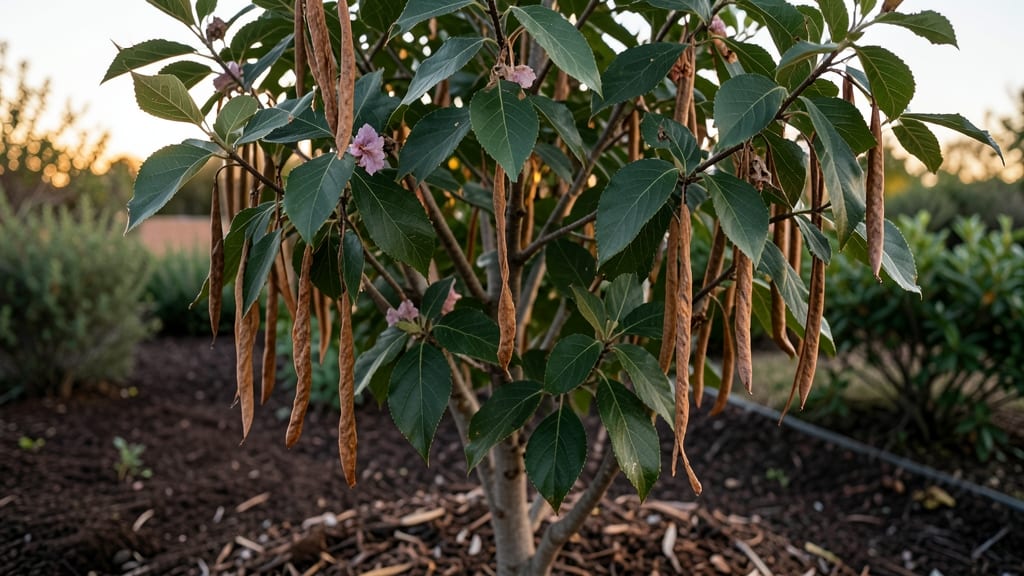
Those papery crape myrtle seed pods hold the secret to growing your own shade tree from scratch. 🌱 I cracked the code after years of watching them split open—turns out, the timing between pod collection and those first blush blooms depends entirely on where you live.
In my Zone 7 garden, we're talking 18-24 months from seed to showstopping summer flowers, but the process starts with knowing exactly when to harvest those pods.
The real trick isn't just collecting them—it's extracting the seeds properly and breaking their natural dormancy. Most gardeners skip this step and wonder why their seeds never sprout.
I learned the hard way that soaking the seeds for 24-48 hours in warm water mimics nature's winter chilling period, and that's what gets those little seeds ready to grow. The soil mix matters too: crape myrtles hate soggy roots but need consistent moisture to establish.
What you end up with is a tree that starts as a delicate seedling but grows into a sturdy, drought-resistant beauty with those iconic blooms.
The first year focuses on root development—you won't see much above ground—but by year two, you'll spot those characteristic new growth buds that promise next summer's flowers. The payoff comes in 3-5 years when your tree finally reaches maturity and starts putting on its full floral show.
Works beautifully in Zones 5-9, though timing adjustments are needed for cooler climates. The key is patience—these aren't fast-growing plants, but once established, they'll reward you with decades of low-maintenance beauty. Here's exactly how to make it happen without the guesswork.
📚 In This Guide
- What you need
- Instructions
- Tips and common mistakes
- Wrapping up and next steps
What you need
- ● Crape myrtle seed pods: 10–20 fresh, mature pods (harvested in late fall when they turn brown and dry).
- ● Pruning shears or sharp scissors: 1 pair (sterilized with rubbing alcohol to prevent disease).
- ● Seed-starting mix: 1–2 bags (sterile, well-draining potting soil blend).
- ● Seed trays or small pots: 10–20 (4–6" deep, with drainage holes).
- ● Plastic wrap or humidity dome: 1–2 sheets (to retain moisture during germination).
- ● Spray bottle: 1 (for gentle watering).
- ● Grow lights or sunny windowsill: Access to 6+ hours of indirect light daily (or a grow light for 12–14 hours/day).
- ○ Heat mat (optional but helpful): 1 (set to 70–75°F to speed up germination).
- ● pH test kit: 1 (to ensure soil pH is 6.0–6.5, ideal for crape myrtle seeds).
- ● Fertilizer (low-nitrogen, balanced): 1 bottle (e.g., 5-10-10 or compost tea, diluted to half-strength).
- ● Hardening-off tray (for transplanting): 1 (or a shaded outdoor space in Zone 7+).
- ● Mulch or straw: Small amount (to retain moisture post-transplanting).
- ● Seed stratification setup: A zip-top bag + moist paper towels (if cold stratification is needed for your zone).
- ● Plant labels: 10–20 (to track seedling progress).
- ● Insecticidal soap: 1 bottle (for aphid/pest prevention).
- ● Slow-release fertilizer pellets: 1 bag (for post-transplanting growth).
- ● Zone-specific planting guide: Printed or digital (to check last frost dates for your area).
Step-by-step guide to germinating crape myrtle seed pods
Turn those papery seed pods into thriving trees with this simple, zone-friendly process.
🌱 Step 1: Collect and Prepare the Seed Pods
Harvest seed pods when they turn brown and begin cracking open naturally—usually in late fall or winter. Collect them from healthy trees that produce abundant blooms. Store the pods in a paper bag at room temperature until ready to process, which prevents mold while allowing natural drying.
Open each pod carefully with your fingers or a small knife to reveal the flat, papery seeds inside. Remove any debris or damaged seeds—only use the plump, intact ones for planting. I like to spread them on a clean towel to air-dry for 24 hours before storing in an envelope. This step ensures better germination rates by preventing rot.
💧 Step 2: Stratify Seeds for Zone-Specific Success
Crape myrtle seeds need cold stratification to break dormancy, and the exact timing depends on your zone. For Zones 7-9, place seeds in a sealed plastic bag with slightly damp peat moss or sand, then refrigerate for 60-90 days. In Zones 3-6, extend stratification to 90-120 days—colder climates need the extra chill period.
Check moisture weekly—seeds should feel damp but not soggy. If condensation forms inside the bag, open it briefly to air out. This mimics winter conditions and tricks seeds into thinking spring has arrived. Real talk: Skipping stratification means waiting years for germination, if it ever happens.
☀️ Step 3: Sow Seeds in Warmth for Germination
After stratification, plant seeds ¼ inch deep in well-draining potting mix (avoid garden soil—it’s too dense). Use biodegradable pots or a seed tray with drainage holes. Keep the soil consistently moist but not waterlogged—top inch should feel damp to the touch. Place the tray in a warm, bright spot (around 70-75°F) with indirect light.
Germination can take 2-4 weeks, but be patient—some seeds may take longer. Once sprouts appear, move them to a south-facing window or under grow lights for 14-16 hours daily. You’ll know they’re thriving when the first true leaves (not the initial seed leaves) emerge—this is your cue to start fertilizing lightly with a balanced 10-10-10 mix.
🌿 Step 4: Transplant Seedlings to Outdoor Nursery Beds
Wait until last frost date has passed and soil temperatures reach at least 60°F before transplanting. Choose a partially shaded outdoor nursery bed with loose, well-amended soil. Dig holes twice as wide as the seedling’s root ball but only as deep as the container height—planting too deep can suffocate roots.
Space seedlings 6-8 inches apart in rows 12 inches apart to allow airflow and prevent disease. Water deeply after planting to settle the soil, then mulch with 1-2 inches of organic mulch to retain moisture. Here’s the thing—crape myrtles grow fast, so give them room to stretch their legs without competing for nutrients.
⏰ Step 5: Care for Young Trees Until First Blooms
Keep seedlings consistently moist but avoid overwatering—let the top inch of soil dry out between waterings. Once they reach 12 inches tall, begin monthly feedings with a slow-release fertilizer in early spring. Prune leggy growth in late winter to encourage bushier habits, but avoid heavy cuts—you want to shape, not stunt.
First blooms may take 3-5 years, but with patience, your seedlings will reward you with summer-long clusters of vibrant flowers. The key is consistency: water, light, and gentle pruning are the trifecta for crape myrtle success. And when those first buds appear? That’s when you’ll know it was worth the wait.
Tips & tricks for germinating crape myrtle seed pods
Here's what nobody tells you about turning those delicate seed pods into thriving trees.
Pod Selection Matters: When harvesting seed pods, focus on those that are fully brown and beginning to crack open naturally—this indicates they're ready for processing. Avoid pods that are still green or have signs of pest damage. I've learned the hard way that using immature pods results in poor germination rates, so always wait for that perfect brown stage. The 24-hour air-drying period after opening is crucial too—it prevents mold and ensures the seeds are ready for stratification.
Stratification Zone Hack: If you're in Zone 8 and can't decide between 60-90 days, I recommend starting with 60 days and checking weekly. Place a small thermometer in your fridge to monitor temperatures—ideal stratification temps should stay between 35-40°F. If your fridge runs warmer, consider using a second refrigerator or even a cooler with ice packs for more consistent cold. Remember, the goal is to simulate winter conditions, so consistency is key.
Germination Environment: For that warm, bright spot during germination, I've had the best success using a seedling heat mat set to 70°F combined with a grow light on a timer for 14-16 hours daily. This creates the perfect conditions without requiring a sunny windowsill. The soil should feel like a damp sponge—if water drips out when squeezed, it's too wet. You'll notice true leaves emerging after about 3-4 weeks, which is your signal to start gentle fertilization.
Transplanting Timing: Checking your local last frost date is essential, but don't forget to verify soil temperatures too. I've used a soil thermometer to confirm 60°F before transplanting, even when frost dates suggested it was safe. The wider, shallower holes prevent root suffocation, and that 1-2 inch mulch layer works wonders for moisture retention. Trust me on this—proper spacing now prevents future crowding headaches.
Pro Tips for Crape Myrtle Seed Pods
- Here's what nobody tells you about turning those delicate seed pods into thriving trees.
- Pod Selection Matters: When harvesting seed pods, focus on those that are fully brown and beginning to crack open naturally—this indicates they're ready for processing.
- Stratification Zone Hack: If you're in Zone 8 and can't decide between 60-90 days, I recommend starting with 60 days and checking weekly.
Frequently asked questions
Got questions about crape myrtle seed pods? You’re not alone! Here are answers to the most common queries to help you navigate the pod-to-bloom journey with confidence.
When do crape myrtle seed pods appear after flowering?
Seed pods typically emerge 6–8 weeks after flowering, depending on your climate zone. In warmer zones (7–9), pods may appear as early as late summer, while cooler zones (5–6) might see them in early fall. Patience is key—don’t prune too soon!
How long do crape myrtle seed pods take to dry and open?
Once formed, pods take 2–4 months to fully dry and split open, releasing seeds. In drier climates (like Zone 8–10), this process speeds up. If pods stay green or damp, they’re not ready—wait for a papery, brown texture before removing them.
Should I remove crape myrtle seed pods for better blooms?
Yes! Removing dried pods after they’ve opened (late fall/winter) encourages next year’s blooms by redirecting the tree’s energy. However, never prune pods while they’re still green—this stresses the tree. Use gloves and dispose of pods to prevent reseeding.
What if my crape myrtle isn’t producing seed pods?
Several factors could be at play:
- Age: Young trees (under 3 years) may not bloom or produce pods.
- Climate: Zones 5–6 need warm summers (60°F+) for pollination.
- Pruning: Over-pruning removes flower buds. Aim for late winter/early spring cuts.
- Pests/Disease: Check for aphids or fungal issues (like powdery mildew) that stress the tree.
Can I plant crape myrtle seeds from pods for a new tree?
Collect seeds from fully dried pods, stratify them (mix with damp sand, refrigerate for 30–60 days), then plant in well-draining soil. Germination takes 4–8 weeks, but success rates vary—some varieties (like ‘Muskogee’) are easier to grow from seed than others.
Wrapping up and next steps
Crape myrtle seed pods may seem like a challenge, but with the right timing and care, you can transform them into stunning blooms tailored to your USDA Zone.
Whether you’re pruning, planting, or simply admiring their seasonal cycle, understanding the pod-to-bloom timeline ensures your garden thrives year after year. 🌱
Ready to take the next step? Experiment with a few pods this season—track their progress, adjust your approach, and watch your crape myrtle reward you with vibrant flowers! For extra inspiration, explore local gardening forums or consult a nearby nursery for zone-specific tips.