
Vegetables
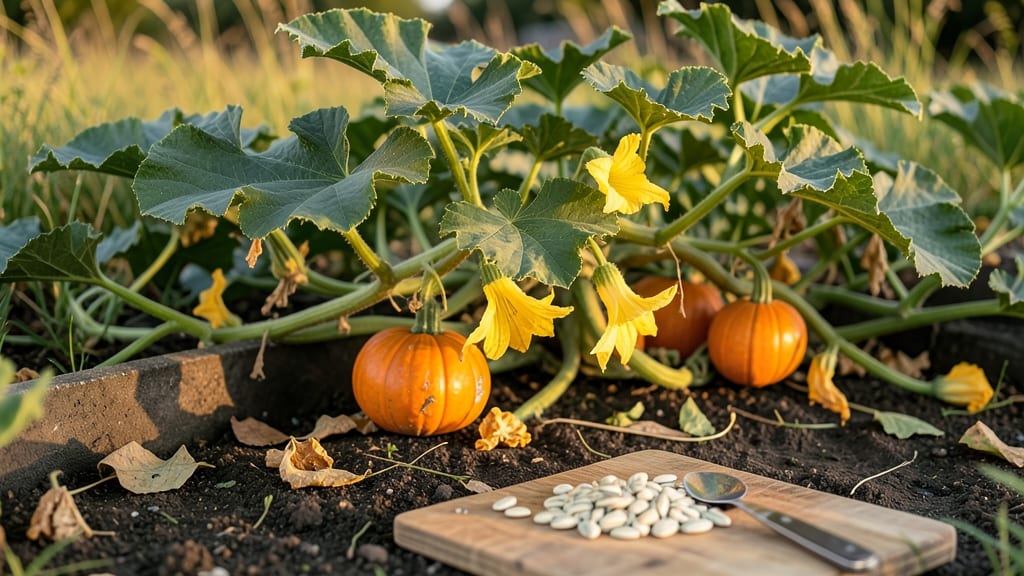
Raw pumpkin seeds offer chickens valuable nutrients like zinc for immune support and magnesium for muscle function, but their hard shells and enzyme inhibitors create risks. 💛 The key is preparation—crushing seeds makes them easier to digest, while soaking for 12 hours reduces anti-nutrient compounds.
I've found that offering 1-2 teaspoons per chicken weekly as a treat prevents overfeeding while delivering these benefits without disrupting their balanced diet.
For best results, I recommend lightly roasting seeds to enhance flavor and digestibility while preserving their nutritional value. This simple step transforms a potentially risky snack into a safe, protein-rich addition to your flock's diet. Always monitor your chickens' reactions when introducing new foods, as individual tolerances can vary.
If you're short on time, unshelled pumpkin (the edible part) is a safer alternative—it's softer, easier to digest, and packed with fiber. Just avoid the rind, which can cause digestive upset.
For maximum safety, I keep a small stash of pre-crushed, roasted seeds on hand for quick treats during cold weather when chickens need extra calories.
💡 In This Article
- Nutritional Value of Pumpkin Seeds for Chickens
- Safe Ways to Feed Pumpkin Seeds to Chickens
Nutritional value of pumpkin seeds for chickens
Pumpkin seeds are a powerhouse of nutrients that can significantly boost a chicken's health when prepared correctly. A single ounce (28 grams) of raw, shelled pumpkin seeds contains about 9 grams of protein, which supports muscle development and feather quality in your flock.
The seeds also pack 50% of the daily recommended zinc for chickens, a mineral crucial for immune function and wound healing—especially important during molting season when chickens are more vulnerable to infections.
The magnesium content (about 150mg per ounce) helps regulate muscle contractions and nerve function, while the omega-3 fatty acids (around 1.5 grams per ounce) reduce inflammation and support brain health. These fats are particularly beneficial for laying hens, as they contribute to the quality of egg yolks.
However, the seeds' hard outer shell and high oil content mean chickens can't digest them whole—this is why crushing or grinding them is essential for nutrient absorption.
What makes pumpkin seeds unique is their phytosterol content, which helps lower cholesterol levels in chickens by competing with dietary cholesterol for absorption in the gut. This is particularly valuable for older hens or breeds prone to cardiovascular issues.
The seeds also contain tryptophan, an amino acid that converts to serotonin—promoting calm behavior in your flock. 💫 For optimal benefits, I recommend offering seeds as part of a balanced diet that includes grains, vegetables, and protein sources like mealworms.
One nutrient to monitor is phytic acid, an anti-nutrient present in raw seeds that binds to minerals like zinc and iron, reducing their absorption. This is why soaking seeds for 12 hours or lightly roasting them at 350°F for 10 minutes can improve digestibility by breaking down these compounds.
The texture also becomes softer, making it easier for chickens to peck and swallow without choking.
Consider this comparison: A tablespoon of crushed pumpkin seeds provides roughly 30% of a chicken's daily magnesium needs, compared to just 5% from a similar amount of sunflower seeds. This higher mineral density makes pumpkin seeds a more efficient supplement for your flock's dietary requirements.
However, overfeeding can lead to imbalances—always pair them with other treats to maintain a varied diet.
For breeders focusing on egg production, the B vitamins in pumpkin seeds (especially B1 and B6) play a key role in energy metabolism and red blood cell formation. These vitamins help hens maintain consistent egg-laying patterns, particularly during stress periods like extreme weather or predator threats.
The seeds' antioxidant properties, from compounds like carotenoids, also support cellular health across all life stages.