
Lawn
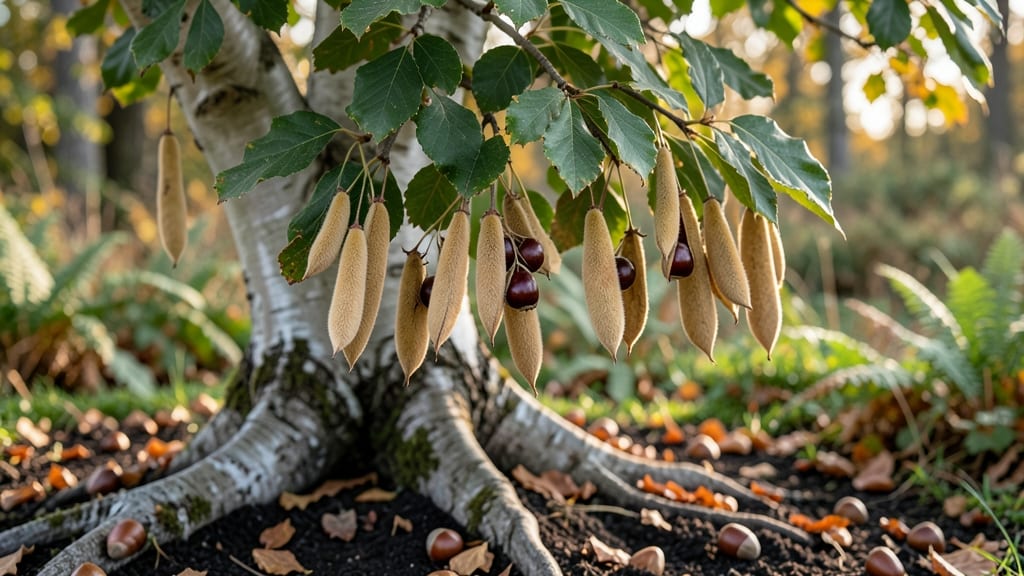
Growing beech trees from seed pods feels like unlocking a slow-motion forest—those spiky little capsules hold the promise of towering shade trees that thrive where others falter. 🌱 The key is timing: collect pods when they turn brown and open in late fall, then store them in damp sand until spring germination.
I’ve grown American and European beeches this way, and the patience pays off with sturdy seedlings that outperform nursery starts. You’ll need just three things: fresh seed pods, a container of slightly moist sand, and a cool spot (like a fridge) for 6-8 weeks of stratification.
This mimics winter’s natural chilling period, breaking dormancy so seeds sprout reliably. Skip this step, and you’ll waste months waiting—or worse, get no germination at all. Trust me, the fridge trick works.
By late spring, you’ll see tiny roots and leaves pushing through the sand, ready for transplanting into nutrient-rich soil. These seedlings grow 2-3 feet their first year if given consistent moisture and partial shade. The real magic?
Beech trees develop deep roots that tolerate drought and urban pollution once established—perfect for tough sites. For best results, plant in fall or early spring when soil is workable but not frozen. Mulch heavily to protect young roots, and avoid disturbing them until they’re 3-4 feet tall.
Patience is the only challenge—these trees take 10-15 years to mature, but the shade they provide makes every season of waiting worth it.
📚 In This Guide
- What you need
- Instructions
- Tips and common mistakes
- Wrapping up and next steps
What you need
- ● Fresh beech seed pods: Harvest 10–20 mature, intact pods (green or brown) from a healthy beech tree. Aim for pods that haven’t split open yet!
- ● Small pots or seed trays: 4–6 biodegradable or plastic pots (3–4 inches wide) or a seed tray with drainage holes.
- ● Well-draining potting mix: 2–3 bags of a lightweight, sandy loam mix (avoid heavy clay—beech seeds hate soggy roots!). Mix in perlite or vermiculite (1 part per 4 parts soil) for extra aeration.
- ● Spray bottle: For gently misting seeds (a 16–32 oz. fine-mist sprayer works best).
- ○ Plastic wrap or clear lid: To create a mini greenhouse effect (optional but helpful for humidity).
- ● Refrigerator or cold frame: A standard fridge (set to 35–45°F) for the stratification process (more on this later!).
- ● Labeled markers or tags: To track planting dates (wooden sticks or plant labels work great).
- ● Grow lights (LED or fluorescent) for indoor seedlings if natural light is limited.
- ● Humidity dome or clear plastic bag to speed up germination.
- ● Fine-mesh screen or cheesecloth to cover pots and protect seeds from pests.
- ● pH test kit to ensure your soil is slightly acidic (ideal pH: 5.0–6.5).
- ● Slow-release fertilizer (like 10-10-10) for transplanting stronger seedlings.
Step-by-step guide to growing beech trees from foraged seed pods
Turn those fallen beech seed pods into sturdy, cold-hardy trees with this simple method.
🌱 Step 1: Harvest and Extract the Seeds
Collect mature beech seed pods in late fall or early winter when they've naturally released from the tree. The pods should be dry and brown, with seeds inside that look like tiny, glossy acorns. I like to gather them after a frost—the cold helps loosen them from the branches.
Open the pods carefully with a small knife or by gently prying them apart. Each pod contains 1-2 seeds, so you'll need to harvest dozens to get your 4 seedlings. Remove any debris or empty husks, then soak the seeds in lukewarm water for 24 hours to soften the outer shell and encourage faster germination.
💧 Step 2: Prepare the Growing Medium
Fill a shallow tray or seed-starting pot with a mix of 50% peat moss and 50% perlite—this lightweight blend prevents rot while allowing roots to establish quickly. Moisten the mix until it feels like a damp sponge, but not soggy. Beech seeds prefer a slightly acidic environment, so avoid garden soil.
Sow the seeds ½ inch deep, spacing them 2 inches apartg. I tap each seed gently into the soil to ensure good contact without burying it too deeply. Cover the tray with plastic wrap or a humidity dome to retain moisture, then place it in a cool, dark spot—40-50°F is ideal for breaking dormancy.
☀️ Step 3: Stratify for Germination
Beech seeds require 3-4 months of cold stratification to mimic winter conditions and trigger sprouting. Store the tray in your refrigerator's crisper drawer (not the freezer) and check monthly for moisture. If the soil feels dry, mist lightly with water to maintain dampness.
After 12-16 weeks, move the tray to a bright, indirect light spot. Germination can take 4-8 weeks longer, so patience is key. You'll know it's working when small green shoots push through the soil—this is your signal to remove the plastic and introduce gentle airflow.
🪴 Step 4: Transplant and Harden Off
Once seedlings reach 3-4 inches tall, transplant them into individual 4-inch pots filled with a mix of potting soil and compost. Beech trees dislike root disturbance, so I use a small spoon to lift each seedling carefully, keeping the soil intact around the roots. Water thoroughly after transplanting to settle the soil.
Place the pots outdoors in a sheltered spot for 1-2 hours daily, gradually increasing exposure over 2 weeks. This hardening-off process prepares the seedlings for their permanent home. By late spring, they'll be ready for outdoor planting in a location with full sun to partial shade.
⏰ Step 5: Establish Outdoors
Choose a planting site with well-draining soil and at least 6 hours of sunlight daily. Dig a hole twice as wide as the root ball but only as deep as the container. Gently remove the seedling, place it in the hole, and backfill with soil, tamping lightly to eliminate air pockets. Water deeply to help roots settle.
Mulch around the base with 2-3 inches of wood chips, keeping it 6 inches away from the trunk to prevent rot. Beech trees are drought-tolerant once established, but young plants need 1 inch of water weekly during dry spells. You'll see new growth in 4-6 weeks, signaling successful transplanting.
Tips & tricks for perfect beech seedling growth
Here's what nobody tells you about growing beech trees from seed pods that'll save you time and frustration.
Seed Selection: Focus on pods that have fallen naturally from the tree—they're already selected by nature for viability. Avoid pods that are cracked, moldy, or have visible insect damage. I've found that pods gathered after a light frost produce the healthiest seeds, as the cold helps break down the seed coat naturally.
Stratification Strategy: Don't rush the 3-4 months of cold stratification—this is non-negotiable for beech seeds. I place a small dish of water under the tray in the fridge to maintain humidity without overwatering. After 12-16 weeks, you might see tiny cracks in the seed coats, which is a good sign they're ready for light.
Transplanting Technique: When moving your 3-4 inch seedlings to individual pots, use a small spoon to lift them rather than pulling by the stem. This preserves the delicate root system. I find that gently pressing the soil around the roots after transplanting helps them establish faster. The key is to handle them like you would a fragile ceramic piece—not too tight, not too loose.
Outdoor Transition: For the hardening-off process, I start with just 1 hour outdoors on day one, then add 30 minutes each subsequent day. This gradual approach prevents shock. Watch for leaves that look slightly wilted—they're telling you to bring them back in for another day. You'll know they're ready for full sun when they perk up within hours of being outside.
Pro Tips for Beech Seed Pods
- Here's what nobody tells you about growing beech trees from seed pods that'll save you time and frustration.
- Seed Selection: Focus on pods that have fallen naturally from the tree—they're already selected by nature for viability.
- Stratification Strategy: Don't rush the 3-4 months of cold stratification—this is non-negotiable for beech seeds.
Frequently asked questions
Got questions about growing beech seed pods? You’re not alone! Here are some of the most common queries—and their answers—to help you navigate your journey from pod to tree with confidence.
How long does it take for beech seed pods to germinate?
Beech seed pods can take anywhere from 6 months to 2 years to germinate. This long dormancy is natural—don’t rush it! Plant them in fall or winter, and keep them in a cool, moist environment (like a shaded garden bed or a cold frame) to mimic their native conditions. Patience pays off with sturdy, disease-resistant seedlings!
Do beech seed pods need a cold stratification period?
Yes! Beech seeds require cold stratification to break dormancy. After harvesting, store the pods in a sealed container with damp sand or peat moss in the fridge for 3–6 months. This mimics winter and tricks the seeds into thinking it’s time to grow. Skip this step, and germination rates will plummet.
Can I grow beech trees from seed pods if I don’t have a yard?
Beech trees thrive in containers (5+ gallon pots) for 2–3 years before transplanting. Choose a deep pot with drainage holes and use well-draining soil. Place them in a spot with partial shade (they hate scorching sun). Just ensure the pot is large enough—their roots grow deep!
Why aren’t my beech seed pods sprouting after planting?
If your pods aren’t sprouting, check these fixes:
- Moisture: Keep soil consistently damp (not soggy). Beech seeds rot in waterlogged conditions.
- Depth: Plant pods 1/4 inch deep—too deep = poor germination.
- Patience: Some seeds take up to 2 years to crack open. Don’t dig them up too soon!
- Location: Ensure they’re in a cool, shaded spot (mimicking forest floors).
Are beech seed pods toxic to pets or wildlife?
Beech seed pods themselves aren’t toxic, but the trees produce beech nuts (mast) that can be harmful in large quantities. While deer and squirrels love them, avoid feeding beech nuts to pets—they contain gallic acid, which can cause stomach upset or worse. Stick to pet-safe treats!
Wrapping up and next steps
Growing beech seed pods into thriving trees is a rewarding journey that connects you to nature’s resilience—especially when nurturing chill-resistant varieties! Whether you’re drawn to their striking foliage, ecological benefits, or the joy of foraging, these trees offer beauty and practicality.
Start small, stay patient, and soon you’ll be enjoying the rustling leaves and potential wildlife haven you’ve created. Ready to take the next step? Share your progress with fellow gardeners or explore local nurseries for complementary native plants to enhance your landscape! 🌱