
Lawn
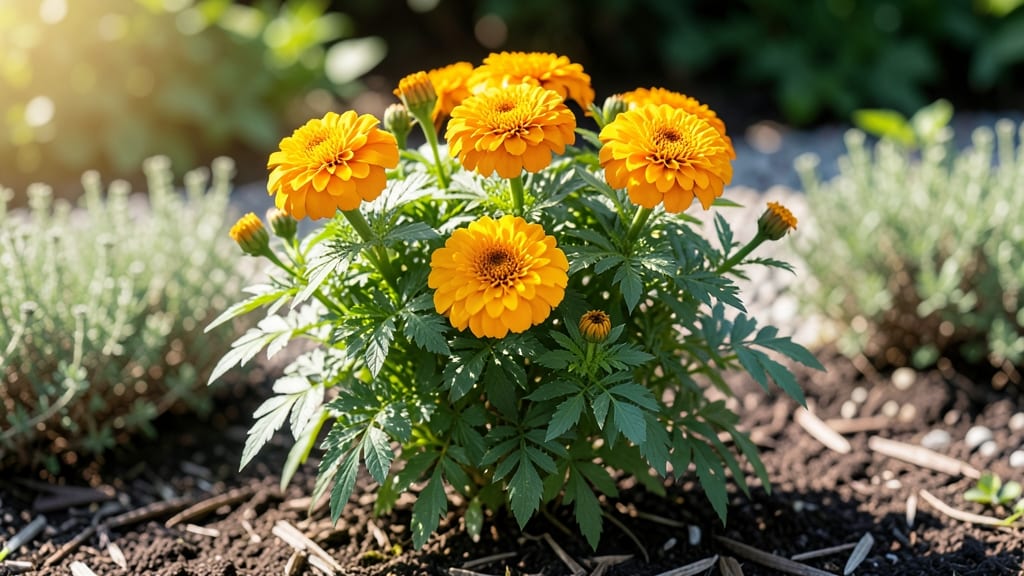
Growing American seed marigolds from seed is the easiest way to fill your lawn with those bright, cheerful blooms that repel pests and attract pollinators. 🌻 I’ve watched these hardy annuals transform bare spots into sunlit patches of gold and orange, and they’re surprisingly simple to grow—even for beginners who’ve killed more plants than they’ve saved.
The key is timing, soil prep, and a little patience, but the payoff is worth it.
These marigolds thrive in full sun, so pick a spot that gets at least 6-8 hours of sunlight daily—they’ll reward you with nonstop blooms from early summer until frost.
The soil doesn’t need to be fancy, but it should drain well; a mix of garden soil and compost works perfectly. Plant seeds about ¼ inch deep after the last frost, spacing them 12-18 inches apart for those classic, bushy plants.
Watering is where most people go wrong—keep the soil evenly moist but not soggy, especially in the first few weeks. Once established, marigolds are drought-tolerant, but they’ll bloom best with 1 inch of water per week.
The real magic happens when you let them go to seed; those dried seed heads are just as beautiful and attract even more wildlife.
Here’s the secret weapon: marigolds are nature’s pest deterrent. Plant them near tomatoes, peppers, or roses to keep nematodes and aphids away—your other plants will thank you.
And if you’re feeling ambitious, save those seeds for next year; they store easily and stay viable for years. Ready to turn your lawn into a pollinator paradise?
📚 In This Guide
- What you need
- Instructions
- Tips and common mistakes
- Wrapping up and next steps
What you need
- ● American Seed Marigold Seeds – Choose a variety like ‘Bonanza,’ ‘Tangerine,’ or ‘Janie’ (10–20 seeds per plant, depending on spacing).
- ● Potting Soil or Garden Soil – Well-draining, organic mix (1–2 bags for containers, 5+ cubic feet for in-ground planting).
- ● Containers or Garden Space – 6–12 inches deep (containers) or full sun (6+ hours/day) in-ground.
- ● Watering Can or Hose – With a gentle spray nozzle for seedlings.
- ○ Fertilizer (Optional but Helpful) – Balanced 10-10-10 or slow-release granular (1 tbsp per plant at planting).
- ● Trowel or Small Shovel – For transplanting seedlings.
- ● Plant Tags – To track varieties (if mixing colors!).
- ○ Mulch (Optional) – Straw or shredded bark to retain moisture.
- ● Compost or Worm Castings – Boosts soil health (½ cup per hole).
- ● Gloves – Protects hands from soil and thorns (some varieties have them!).
Step-by-step instructions for growing American seed marigolds
Here's how to coax those vibrant orange blooms from tiny seeds—no fancy tools required.
🌱 Step 1: Time Your Seed Starting for Warm Soil
American seed marigolds thrive in warmth, so wait until after your last frost date when soil temperatures reach at least 60°F. I plant mine directly in the garden 2-3 weeks before summer heat settles in—this gives roots time to establish before the real growing season begins.
Direct sowing works best because marigolds resent transplanting. If you must start indoors, do so 4-6 weeks before transplanting, using small pots or seed trays. The key is avoiding cold soil—marigold seeds simply won't germinate below 55°F. I test soil temperature with a thermometer placed 2 inches deep in the ground.
🌱 Step 2: Sow Seeds at the Right Depth and Spacing
Scatter seeds ¼ inch deep in loose, well-draining soil. I tap the seed packet gently to release one seed at a time—planting too many in one spot leads to weak, crowded seedlings that fight for sunlight. Space seeds 12-18 inches apart for full-sized plants with bold blooms.
Press the soil lightly over the seeds to ensure good contact, then water gently with a fine mist. Avoid soaking the soil—marigolds prefer even moisture but hate soggy conditions. You'll see tiny sprouts in 7-14 days under ideal conditions, though germination can take longer in cooler soil.
☀️ Step 3: Provide Full Sun and Consistent Watering
Marigolds demand 6-8 hours of direct sunlight daily for those signature bright blooms. A south-facing spot delivers the best results, but even partial sun works if you accept slightly smaller flowers. I always plant mine where they'll get morning sun and afternoon shade in hot climates—this prevents the leaves from scorching.
Water deeply once a week after germination, allowing the top 1-2 inches of soil to dry out between waterings. Overwatering causes root rot, while underwatering leads to leggy stems. You'll know moisture is right when the soil feels slightly damp but not wet to the touch.
✂️ Step 4: Deadhead and Fertilize for Continuous Blooms
Pinch off spent blooms regularly to encourage new flowers. This simple step keeps your marigolds producing vibrant blooms all season. I use clean fingers or small pruners to snip just above the next set of leaves—this redirects energy to fresh growth instead of seed production.
Feed plants every 4-6 weeks with a balanced fertilizer (10-10-10) to maintain vigor. Too much nitrogen results in lush foliage but fewer flowers, so I always follow package instructions carefully. You'll notice a surge in new buds within 2-3 weeks after fertilizing.
🌿 Step 5: Enjoy and Extend the Season
Marigolds thrive in summer heat but may decline as temperatures drop. In cooler climates, I cut back plants by half their height in early fall, which often triggers a second flush of blooms before frost. The remaining foliage adds winter interest to the garden.
Save seeds from your healthiest plants by allowing a few flowers to mature fully. The papery seed heads dry on the stem and can be collected in late fall. Store them in a cool, dry place for next year's planting—this ensures you'll have the exact variety you love.
Tips & tricks for growing American seed marigolds
Here's what I've learned after years of growing these bright, cheerful blooms—tricks that'll help you avoid common pitfalls and get the most vibrant marigolds possible.
Soil Temperature is Non-Negotiable: That 60°F minimum soil temperature isn't just a suggestion—it's the absolute threshold for germination. I've tried planting in cooler soil and ended up with nothing but frustration. If your soil is below 60°F, create a mini greenhouse by covering seeds with clear plastic until temperatures rise. The extra warmth makes all the difference for those tiny seeds.
Seed Spacing Secret: The 12-18 inch spacing might seem generous, but trust me—crowded marigolds grow leggy and produce fewer blooms. I've learned the hard way that planting too close leads to weak stems that flop over. For container growing, space seeds 6-8 inches apart in 12-inch pots to maintain proper air circulation and prevent disease.
Sunlight Strategy: While 6-8 hours of direct sun is ideal, I've found that marigolds actually tolerate more sun than most flowers. In my hot climate zone, they handle full sun all day without wilting. The key is morning sun with afternoon shade in extreme heat—this prevents leaf scorch while still delivering those signature bright blooms.
Fertilizer Timing: The 4-6 week feeding schedule works perfectly, but here's the pro move: split your fertilizer application into two equal doses. Give half when you plant and the other half about 3 weeks later. This gradual feeding prevents nitrogen burn while ensuring steady growth. I've seen marigolds go from seedling to full bloom in just 6-8 weeks using this method.
Pro Tips for American Seed Marigold
- Here's what I've learned after years of growing these bright, cheerful blooms—tricks that'll help you avoid common pitfalls and get the most vibrant marigolds possible.
- Soil Temperature is Non-Negotiable: That 60°F minimum soil temperature isn't just a suggestion—it's the absolute threshold for germination.
- Seed Spacing Secret: The 12-18 inch spacing might seem generous, but trust me—crowded marigolds grow leggy and produce fewer blooms.
Frequently asked questions
When is the best time to plant American Seed Marigold seeds?
Plant seeds 2–3 weeks after your last frost date when soil is at least 60°F (15°C). For a longer bloom season, start seeds indoors 4–6 weeks before transplanting (late winter/early spring). In warm climates, you can even sow seeds in early spring or fall for year-round color!
How long does it take for American Seed Marigolds to flower?
From seed, expect 6–8 weeks to first bloom, depending on conditions. Transplants (young plants) may flower in just 4–6 weeks. For continuous blooms, deadhead spent flowers regularly—this encourages nonstop new blooms all season long!
Can I grow American Seed Marigolds in containers or small spaces?
These compact beauties thrive in containers, window boxes, or even hanging baskets (choose dwarf varieties like ‘Tangerine Gem’). Use well-draining potting mix and ensure pots are at least 6–8 inches deep. Place in full sun (6+ hours/day) for best results.
Why aren’t my marigolds blooming? What’s wrong?
Common culprits:
- Too much shade – Move to full sun (they need 6+ hours/day).
- Over-fertilizing – Too much nitrogen = leafy growth, not flowers. Use a low-nitrogen, high-phosphorus fertilizer instead.
- Crowded plants – Thin seedlings to 12–18 inches apart for better airflow and blooms.
- Pests (like aphids) – Spray with neem oil or introduce ladybugs to keep them in check.
Are American Seed Marigolds deer- or rabbit-resistant?
While they’re deterrent to many pests (including mosquitoes!), deer and rabbits may still nibble if hungry. To protect them:
- Plant near strong-smelling herbs (like rosemary or thyme).
- Use physical barriers (chicken wire) for young plants.
- Try repellent sprays (like garlic-based options) if needed.
Wrapping up and next steps
Growing American Seed Marigolds is a rewarding way to add vibrant color and natural pest control to your lawn or garden! 🌻 With the right soil, sunlight, and care, these cheerful blooms will thrive—whether you're a seasoned gardener or just starting out.
Now that you’re armed with tips on planting, maintenance, and troubleshooting, it’s time to roll up your sleeves and get growing!
Ready to take the next step? Start with a small batch of seeds this season, experiment with varieties, and watch your garden transform. Happy planting—your future marigold paradise awaits! 🌱