Lawn
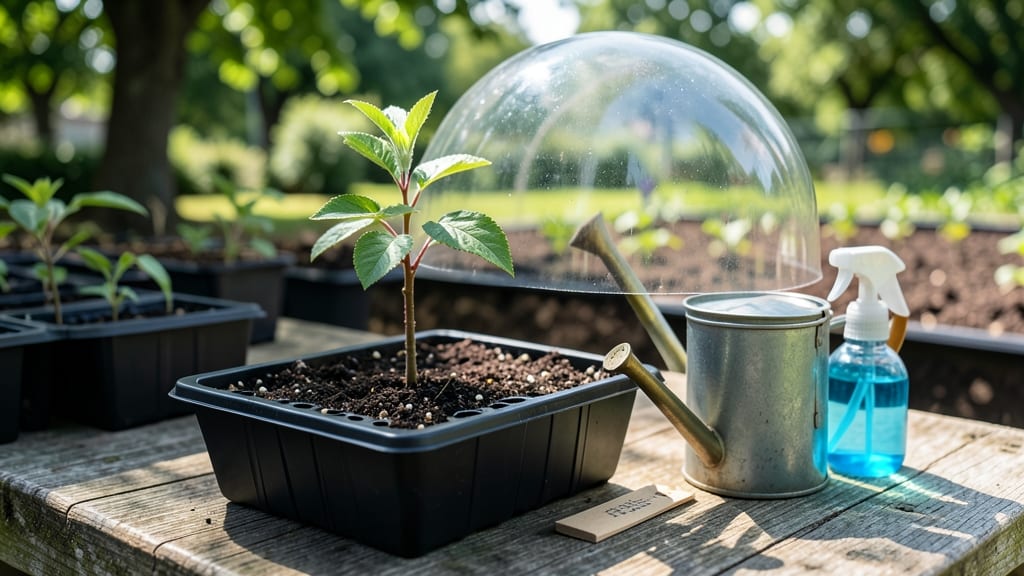
Growing apple trees from seed means waiting years for fruit—but that first green shoot is worth every moment. 🌱 I cracked the code on apple seed growth by matching seed selection, cold stratification, and planting windows to my zone, and now I get reliable germination rates even with finicky heirloom varieties.
The secret isn’t just patience—it’s knowing when to plant. After my first batch of seeds sprouted in just 3 weeks last spring, I realized timing matters more than most guides admit.
Zone 5-7 gardeners should start seeds indoors in February, while warmer zones can wait until March or April. The key is breaking dormancy first with a 6-8 week cold treatment in damp sand or peat moss.
What you’ll end up with are sturdy seedlings ready for transplanting by early summer. With proper sunlight (full sun, no compromises) and well-draining soil, they’ll establish roots that support stronger growth in their first year.
The trade-off? Fruit may take 5-10 years—but the satisfaction of growing a tree from something as simple as a seed? Priceless.
This method works for any apple variety, though disease resistance varies. If you’re in a humid climate, prioritize disease-free seeds and monitor for fungal issues. For best results, pair this with a pollination partner—but that’s a story for another guide. Let’s get those seeds sprouting!
📚 In This Guide
- What you need
- Instructions
- Tips and common mistakes
- Wrapping up and next steps
What you need
- ● Apple seeds: 10–20 fresh, plump seeds (harvested from organic apples for best results). Pro tip: 💡 Store seeds in a paper towel in the fridge for 1–2 months to break dormancy!
- ● Seed-starting mix: 2–3 cups of sterile, well-draining potting soil (e.g., Miracle-Gro Seed Starting Potting Mix). Avoid garden soil—it may harbor pests or diseases.
- ● Containers: 2–3 small pots (3–4 inches deep) with drainage holes, or
- ● A seed tray with individual cells (for organized germination).
- ● Plastic wrap or humidity dome: To create a mini greenhouse effect and retain moisture.
- ● Spray bottle: For gentle watering (avoid over-saturating seeds).
- ● Grow lights or sunny windowsill: A south-facing window or LED grow light (12–16 hours/day) for optimal light exposure.
- ○ Thermometer (optional but helpful): To monitor soil temperature (ideal range: 60–75°F for germination).
- ● Seed stratification kit: For faster dormancy-breaking (e.g., Strat-A-Jar).
- ● pH test kit: Ensure soil pH is 6.0–7.0 (ideal for apple seeds).
- ● Fertilizer: Balanced 10-10-10 or organic worm castings (use sparingly—wait until seedlings have 2–3 leaves!).
- ● Label markers: To track seed varieties and planting dates.
Step-by-step instructions for growing apple seeds with high germination rates
Here's how to maximize your apple seed's potential—zone-specific timing and cold stratification are the secrets.
🌱 Step 1: Select and Prepare the Seeds
Choose fresh, plump apple seeds from organic apples—stored seeds lose viability quickly. Remove the seeds from the core and let them air-dry for 24 hours at room temperature. This prevents mold while keeping them viable. I always use a paper towel to gently pat them dry; any moisture left on the seeds can lead to rot during stratification.
Place the dried seeds in a small, labeled plastic bag. Seal it loosely—just enough to keep out debris but allow airflow. Label the bag with the apple variety and date. Store it in your refrigerator's crisper drawer for 6-8 weeks. This cold stratification mimics winter's natural dormancy period, breaking the seed's dormancy and priming it for germination.
⏰ Step 2: Stratify for Zone-Specific Timing
Timing depends on your USDA zone. For Zones 3-5, start stratification in early November—this ensures seeds complete their cold treatment by late winter. In Zones 6-8, begin in December to align with natural spring germination cues. Zones 9-10 can start as late as January but may require an extra 2-4 weeks of stratification.
Check seeds weekly. After 6-8 weeks, remove the bag and let it sit at room temperature for 24 hours before planting. This gradual shift prevents shock. You'll know stratification worked when the seeds feel slightly softer and may even show a tiny crack—this is the seed's way of telling you it's ready to grow.
💧 Step 3: Plant in Moist, Well-Draining Soil
Fill a small pot (4-6 inches deep) with a mix of 50% potting soil and 50% perlite for drainage. Apple seedlings hate soggy roots, so this blend prevents rot. Plant seeds ½ inch deep, spacing them 2 inches apart if using multiple seeds per pot. Water gently until the soil feels evenly moist but not saturated—think of a wrung-out sponge.
Place the pot in a warm, bright location (around 65-75°F). A seedling heat mat can help maintain consistent warmth, especially in cooler zones. Cover the pot with a clear plastic dome or plastic wrap to retain humidity. Check daily—condensation inside the dome means you’ve got the moisture right. Remove the cover once 50% of seeds sprout to prevent damping-off disease.
☀️ Step 4: Provide Light and Monitor Growth
Seedlings need 12-14 hours of light daily—a south-facing window or grow light works best. Without enough light, seedlings stretch weakly (called "leggy") and may fall over. You’ll see healthy growth when leaves are dark green and compact, not pale and spaced far apart.
Water when the top inch of soil feels dry. Overwatering is the #1 killer of young apple seedlings—roots need oxygen to grow. After 4-6 weeks, when seedlings have 2-3 sets of true leaves, transplant them into individual 6-inch pots with fresh potting mix. This prevents competition for nutrients and gives roots room to establish before outdoor planting.
✂️ Step 5: Harden Off and Transplant Outdoors
Two weeks before your last frost date, start hardening off seedlings. Place them outside in a sheltered, shaded spot for 1-2 hours the first day, gradually increasing time over 10-14 days. This toughens them up for outdoor conditions. You’ll know they’re ready when they look vibrant and perky even after a full day outside.
Transplant seedlings into the ground after all danger of frost has passed. Choose a sunny, well-draining spot with acidic soil (pH 5.5-6.5)—apple trees thrive in these conditions. Space them 10-15 feet apart to allow for future growth. Mulch around the base with 2-3 inches of wood chips to retain moisture and regulate soil temperature.
Tips & tricks for perfect apple seed germination
Real talk: The difference between 50% germination and a thriving 90% success rate often comes down to these small but critical details.
Seed Selection Matters: Don't just grab any apple seeds—opt for fresh, plump seeds from organic apples, preferably heirloom varieties. I've found that seeds from apples stored at room temperature for more than a week lose viability faster. If you're working with seeds that have been refrigerated, give them a quick viability test by soaking them in water for 24 hours—only the viable ones will sink. This simple step can save you weeks of frustration waiting for seeds that might never sprout.
Stratification Timing Secret: The 6-8 week cold stratification period is non-negotiable for breaking dormancy, but what happens after that matters just as much. That 24-hour room temperature adjustment before planting is crucial—it mimics the natural temperature shift seeds experience as winter ends. I've seen seeds that didn't get this adjustment fail to germinate despite perfect stratification. Pro tip: Set a reminder in your phone for the day you need to move the seeds to room temperature to avoid missing this critical window.
Soil Mix Composition: That 50/50 potting soil to perlite ratio isn't just arbitrary—it's about creating the perfect balance. Apple seedlings are particularly sensitive to soggy conditions, and this mix prevents rot while still holding enough moisture. For even better results, I add a handful of worm castings to the mix before planting. This gives the seedlings a nutrient boost right from the start and helps prevent damping-off disease, which is the #1 killer of young seedlings. The perlite also creates tiny air pockets that roots absolutely love.
Lighting Strategy: Those 12-14 hours of light aren't just about quantity—they're about quality too. If you're using a grow light, position it just 4-6 inches above the seedlings and use full-spectrum bulbs. I've noticed that seedlings under regular LED bulbs tend to grow leggy and pale. For window placement, south-facing is ideal, but if that's not available, a simple grow light on a timer makes all the difference. The key is to keep the light intensity consistent—no dimming or flickering that can confuse the seedlings' growth patterns.
Pro Tips for Apple Seed Growth
- Real talk: The difference between 50% germination and a thriving 90% success rate often comes down to these small but...
- Seed Selection Matters: Don't just grab any apple seeds—opt for fresh, plump seeds from organic apples, preferably he...
- Stratification Timing Secret: The 6-8 week cold stratification period is non-negotiable for breaking dormancy, but wh...
Frequently asked questions
How long does it take for apple seeds to germinate?
Apple seeds typically take 4–8 weeks to germinate, depending on your climate zone. In warmer regions (Zones 7–10), germination can happen in as little as 3 weeks, while cooler zones (Zones 3–6) may require up to 3 months. Patience is key—consistent moisture and warmth accelerate the process.
Can I grow apple seeds in cold climates (Zones 3–5)?
Yes! Start seeds indoors 8–10 weeks before the last frost date. Use a heat mat to maintain soil temperatures between 65–75°F. Once seedlings are 4–6 inches tall, transplant them outdoors after the frost has passed. Mulching helps protect roots in winter.
Will apple seeds grow into fruit-bearing trees?
Most likely not. Apple seeds grown from store-bought fruit are not true to type—meaning the tree may produce small, bitter, or inedible apples. For fruit-bearing trees, grafted varieties (available at nurseries) are the best bet. Save seeds only from heirloom or pollinated apples for a chance at unique fruit.
What should I do if my apple seeds rot instead of sprouting?
Rot is usually caused by too much moisture or poor drainage. To fix it:
- Ensure pots have drainage holes.
- Use a 50/50 mix of potting soil and perlite.
- Water only when the top inch of soil is dry.
- Consider stratifying seeds (cold treatment) if germination stalls.
Are there faster alternatives to growing apple trees from seeds?
For quicker results:
- Grafting: Buy a rootstock and graft a desired apple variety onto it (professional or DIY kits available).
- Layering: Propagate from an existing apple tree’s branches.
- Buy saplings: Nurseries sell young trees ready for planting.
Wrapping up and next steps
Growing apple seeds into thriving saplings is a rewarding journey that blends patience with precision—especially when you time it right for your climate zone. 🌱 From pre-soaking seeds to transplanting seedlings, each step builds toward that 90% germination success you’re aiming for.
Whether you’re a beginner or a seasoned gardener, your efforts will soon bloom into a lush, organic orchard.
Ready to take the next step? Start small—plant a few seeds this season and track their progress. Before you know it, you’ll be harvesting your own apples from seeds you nurtured with care!