
Propagation
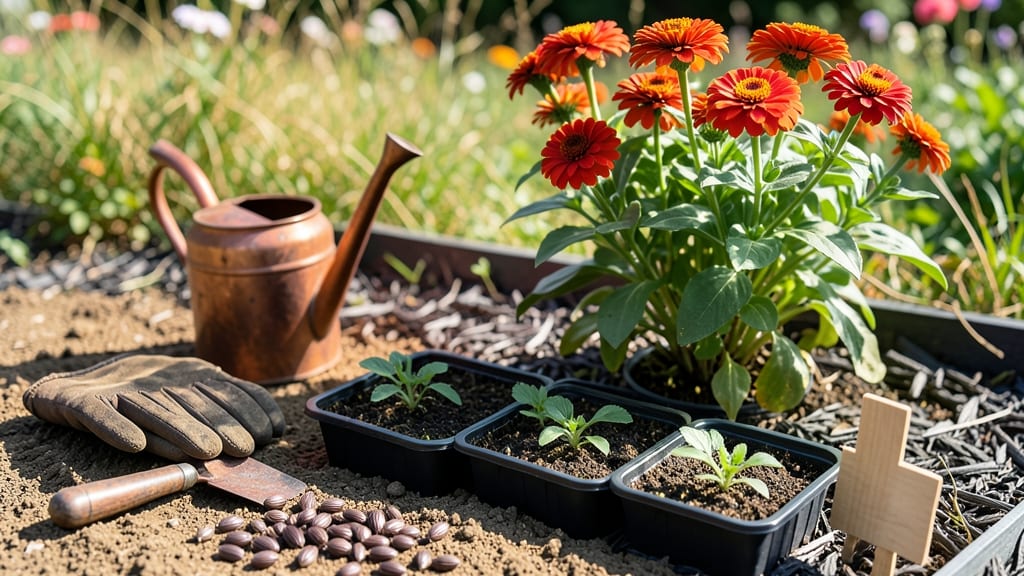
Growing zinnias from seed to flower is the fastest way to fill your garden with bold, cheerful blooms—no cold stratification needed. 🌻 I’ve grown zinnias for years, and their 60-day bloom time makes them the perfect beginner project. The secret? Simple soil, consistent water, and a sunny spot.
Skip the fancy setups—just seeds, light, and patience. Start with a shallow tray of seed-starting mix, press seeds just below the surface (¼ inch deep), and keep them warm and moist. Germination happens in 5-10 days, and within weeks, you’ll see those first bright green leaves.
The key is spacing—thin seedlings to 12-18 inches apart to give them room to grow strong. By month two, you’ll be pinching back leggy stems and watching buds form. Deadhead spent blooms to encourage more flowers, and before you know it, your garden will be a riot of color.
These zinnias thrive in heat, making them perfect for summer-long displays. Works for containers, borders, or cutting gardens. Here’s how to keep them blooming all season long!
📚 In This Guide
- What you need
- Instructions
- Tips and common mistakes
- Wrapping up and next steps
What you need
- ● Zinnia seeds: Choose heirloom or hybrid varieties (e.g., 'Benary’s Giant,' 'Profusion'). Start with 5–10 seeds for a small patch or 50+ seeds for a full bed.
- ● Seed-starting mix: A lightweight, sterile seed-starting blend (avoid garden soil—it’s too dense!). A 10–12 quart bag covers 50–100 seeds.
- ● Containers: For indoor starts: 2–3 inch cell packs or small pots (1–2 seeds per cell/pot).
- ● For direct sowing: A shallow tray or seedling flat (or even repurposed egg cartons!).
- ● Grow lights or sunny windowsill: A full-spectrum LED grow light (12–16 hours/day) or a south-facing window (6+ hours of sunlight).
- ● Watering can or spray bottle: A gentle spray nozzle keeps seeds moist without disturbing them.
- ● Plant labels: To track varieties, use popsicle sticks or biodegradable labels.
- ● Seedling heat mat: Speeds up germination (70–75°F ideal).
- ● Fertilizer: A balanced liquid fertilizer (10-10-10) or fish emulsion for transplanting.
- ● Pruning shears: For pinching back leggy seedlings (encourages bushiness!).
- ● Garden twine or stakes: Supports taller varieties (e.g., 'State Fair') as they grow.
Step-by-Step instructions for growing zinnias from seed to flower
Here’s how to grow vibrant zinnias from seed to full bloom in just 60 days—no cold treatment needed.
🌱 Step 1: Start Seeds Indoors or Direct-Sow After Frost
Zinnia seeds germinate best in warm soil—either start them indoors 4-6 weeks before your last frost date or wait until soil reaches 60°F and direct-sow after frost. I like to use biodegradable seedling pots (like peat or coconut fiber) filled with seed-starting mix—it keeps roots from getting tangled when transplanting.
Plant seeds ¼ inch deep, just barely covering them. Press the soil gently around each seed to ensure good contact. Water lightly with a spray bottle—don’t drown them. Place pots in a warm spot (70-75°F) like on top of the fridge or under a heat mat. You’ll see sprouts in 5-10 days—watch for the first tiny leaves to appear.
☀️ Step 2: Provide Bright Light and Thin Seedlings
Once seedlings emerge, move them to a sunny window or under grow lights for 14-16 hours daily. Without enough light, zinnias stretch and weaken. You’ll know they’re getting enough light when they grow sturdy and dark green with leaves close together.
When seedlings have 2-3 true leaves (not just the first tiny cotyledons), thin them to the strongest plant per pot. Use small scissors to snip the weak ones at soil level—don’t pull, or you’ll disturb the roots of the ones you’re keeping.
🪴 Step 3: Harden Off and Transplant Outdoors
Two weeks before your last frost, start hardening off seedlings by placing them outside in a sheltered spot for 1-2 hours the first day. Gradually increase time over 7-10 days, letting them adjust to wind and sun. You’ll know they’re ready when they look perky and vibrant—no wilting or yellowing leaves.
Transplant seedlings 12-18 inches apart in full sun (at least 6-8 hours daily). Zinnias love warmth, so wait until nighttime temps stay above 50°F. Dig holes deep enough to bury the stem up to the first set of leaves—this encourages strong root growth.
💧 Step 4: Water Deeply and Deadhead for Continuous Blooms
Water zinnias at the base (not overhead) to prevent fungal diseases. Aim for 1 inch of water per week, letting the soil dry slightly between waterings. You’ll see the plants perk up after a deep drink—wilting is a sign they need more water.
Once flowers start blooming, deadhead spent blooms by snipping them off just above the next set of leaves. This encourages more flowers to form. I do this every 2-3 days—it keeps zinnias producing bold blooms all season long.
✂️ Step 5: Maintain and Enjoy Your Bold Blooms
Zinnias are low-maintenance but benefit from a light feeding every 4-6 weeks with a balanced fertilizer. Watch for pests like aphids—spray with neem oil if you see them. You’ll know your zinnias are thriving when they grow tall, sturdy stems with vibrant, full blooms. Cut flowers for bouquets, and they’ll last 7-10 days in a vase.
With these steps, you’ll have bold, long-lasting zinnias in just 60 days—no cold stratification needed! Enjoy the process, and don’t forget to save seeds from your best blooms for next year.
Tips & tricks for perfect zinnia growth
Growing zinnias from seed to flower doesn't have to be complicated—here's how to avoid common pitfalls and maximize those bold blooms.
Heat Matters: Those 60°F soil temperatures are crucial for germination. If your home is chilly, try placing pots on a heating pad set to low (around 75°F) for faster sprouting. I've seen seeds pop up in just 5 days with consistent warmth—no waiting weeks for cold stratification!
Lighting Secret: The 14-16 hours of daily light in Step 2 is non-negotiable for sturdy seedlings. If your window isn't sunny enough, invest in a basic LED grow light—even 8 hours under lights helps prevent leggy, weak plants. I keep mine 6 inches above seedlings for even coverage.
Transplanting Tip: When hardening off, start with just 1-2 hours the first day to avoid shocking tender seedlings. Gradually increase time while monitoring for wilting—zinnias are tough once established, but seedlings are delicate. I like to use a small shade cloth on windy days during this process.
Deadheading Strategy: Those 2-3 days between deadheading sessions might feel frequent, but it's worth it. The more you remove spent blooms, the more your plants focus energy on producing new flowers. I use clean scissors and snip just above a leaf node—this encourages branching and bushier growth.
Pro Tips for Zinnia From Seed To Flower
- Growing zinnias from seed to flower doesn't have to be complicated—here's how to avoid common pitfalls and maximize t...
- Heat Matters: Those 60°F soil temperatures are crucial for germination. If your home is chilly, try placing pots on a...
- Lighting Secret: The 14-16 hours of daily light in Step 2 is non-negotiable for sturdy seedlings. If your window isn'...
Frequently asked questions
Got questions about growing zinnias from seed? You’re not alone! Here are answers to the most common queries to help you cultivate vibrant blooms with confidence.
How long does it take for zinnia seeds to germinate?
Zinnia seeds typically sprout in 5–10 days after planting, given warm soil (at least 60°F) and consistent moisture. Avoid overwatering—keep soil damp but not soggy. If germination takes longer than two weeks, check seed viability or adjust light/temperature conditions.
Can I grow zinnias indoors before transplanting outdoors?
Yes! Start seeds indoors 4–6 weeks before your last frost using small pots or trays with well-draining soil. Place them near a sunny window or under grow lights (14–16 hours/day). Harden off seedlings for 7–10 days before transplanting outdoors to prevent shock.
Why are my zinnia seedlings wilting or turning yellow?
Wilting or yellowing often signals overwatering, poor drainage, or pests. Check soil moisture—zinnias prefer dry soil between waterings. Inspect leaves for aphids or spider mites (common culprits). If roots look mushy, repot in fresh, well-draining soil. Pro tip: Use a fungicide if damping-off disease appears.
Do zinnias need deadheading for continuous blooms?
Deadheading (removing spent blooms) encourages non-stop flowering by redirecting energy to new buds. Snip off faded flowers with clean scissors or pinch them off by hand. For prolific varieties like ‘Benary’s Giant,’ deadhead regularly to keep plants bushy and blooming until frost.
Can zinnias survive cold weather or do they need protection?
Zinnias are annuals and thrive in warm climates but struggle in frost (below 32°F). Plant after your last frost date or use row covers in early spring/fall. In cold regions, grow them as short-lived perennials or save seeds for next season. Mulch helps insulate roots in mild climates.
What’s the best companion plant for zinnias?
Zinnias pair beautifully with basil, marigolds, and nasturtiums—these deter pests like aphids and whiteflies. Avoid planting near tomatoes or potatoes, as they compete for nutrients. For a pollinator-friendly garden, mix zinnias with cosmos, sunflowers, or lavender for a vibrant, low-maintenance display.
Wrapping up and next steps
Growing zinnias from seed to flower is a rewarding journey that brings vibrant color to your garden in just 60 days—no cold stratification needed! 🌸 With the right soil, sunlight, and care, you’ll enjoy bold blooms that attract pollinators and brighten up any space.
Whether you’re a beginner or seasoned gardener, these cheerful flowers prove that big results come from small seeds.
Ready to try? Start with a fresh batch of seeds and repeat the process—experiment with colors, heights, or even container gardening! Share your progress with fellow plant lovers or gift your blooms to friends. Happy growing! 🌱✨