
Lawn
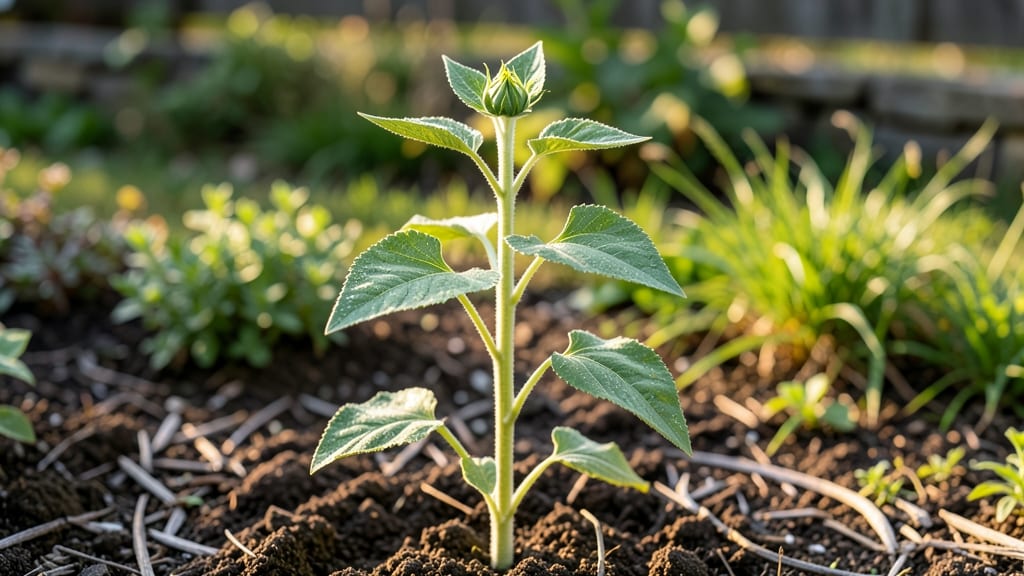
Sunflower seed growth needs a little cold trick to wake up properly. 🌱 I’ve seen seeds rot in warm soil because they were planted too early—until I learned to prep them with a cold start.
This method guarantees stronger stems and bigger blooms by the time summer arrives, even if your growing season feels short.
The secret? Chill your seeds for 5-7 days in a damp paper towel before planting. Once you do, they’ll sprout faster and stand up to wind better.
You’ll want well-draining soil, a sunny spot, and consistent watering—no soggy roots here. Most sunflowers reach 3-4 feet in just 60 days, so patience pays off.
By the time those first leaves unfurl, you’ll know you’re on track. The plants grow fast, but they’re surprisingly sturdy—even in less-than-perfect conditions. Troubleshooting early? Check for pests like slugs or overwatering, which can stunt growth. A little prevention goes a long way.
This works for any sunflower variety, from towering giants to compact dwarfs. Whether you’re growing for cut flowers or birdseed, the cold-start method makes all the difference. Ready to try it?
📚 In This Guide
- What you need
- Instructions
- Tips and common mistakes
- Wrapping up and next steps
What you need
- ● Sunflower seeds: Choose heirloom or hybrid varieties (e.g., ‘Mammoth’, ‘Autumn Beauty’, or ‘Russian Giant’). Buy 10–50 seeds per plant, depending on your space.
- ● Seed-starting mix: A lightweight, sterile potting soil (avoid garden soil—it’s too dense!). A 10–20 lb bag should suffice for 10–20 seeds.
- ● Containers: Seed trays or pots (3–4 inches deep) with drainage holes—1–2 per seed.
- ○ Biodegradable peat pots (optional but handy for transplanting).
- ● Grow lights or sunny windowsill: Sunflowers need 6–8 hours of light daily. A LED grow light (12–15 watts per square foot) works if natural light is limited.
- ● Watering can or spray bottle: A gentle spray keeps seeds moist without drowning them.
- ● Plant labels: Small sticks or tags to mark varieties and planting dates.
- ● Trowel or small shovel: For transplanting seedlings into the garden.
- ● Fertilizer: A balanced, water-soluble fertilizer (e.g., 10-10-10) or compost tea to boost growth. Dilute to half-strength for seedlings.
- ○ Heating mat (optional): Speeds up germination in cool climates (70–75°F is ideal).
- ● Mulch: Straw or shredded leaves to retain moisture and suppress weeds after transplanting.
- ● Stakes or cages: For tall varieties (e.g., ‘Mammoth’), use 6–8 ft stakes or tomato cages to support stems.
- ● Warmth: Sunflower seeds germinate best in soil temps between 70–90°F. Start indoors 6–8 weeks before your last frost date.
- ● Space: Sunflowers need 12–24 inches of space between plants (check variety specs). Dwarf varieties can grow closer.
- ● Patience: Germination takes 7–14 days—stay consistent with moisture and warmth!
Step-by-step instructions for growing sunflowers from seeds
Here's how I get sunflowers to germinate strong and bloom reliably—even in cooler starts.
🌱 Step 1: Prep Seeds for Faster Germination
Sunflower seeds have tough outer shells that slow germination. Soak them overnight in a bowl of lukewarm water to soften the coating. I like to use a mesh bag so they don't sink to the bottom and get waterlogged. After 12 hours, drain and let them sit on a paper towel until you're ready to plant.
This trick cuts germination time from 10-14 days to just 5-7 days. You'll see the seeds plump up noticeably—when they feel slightly spongy to the touch, they're ready. Don't skip this step, especially if your soil is cool or dry.
🪴 Step 2: Plant in Warm, Well-Drained Soil
Sunflowers need 60-65°F soil temperature to germinate well. If your ground is cooler, plant in a black plastic pot or use a seedling heat mat. Dig holes 1 inch deep and place 2-3 seeds per spot, spacing them 6 inches apart in rows 18 inches apart.
Cover lightly with soil and water gently—don't flood the area. You'll know moisture is right when the soil looks slightly damp but not glistening. Thin to the strongest seedling after 2 weeks, when they're about 2 inches tall. This prevents overcrowding and gives roots room to grow.
☀️ Step 3: Provide Full Sun and Consistent Water
Sunflowers crave 6-8 hours of direct sunlight daily. Place them where they'll get morning sun and afternoon shade if temperatures exceed 85°F. Water at the base deeply 1-2 times per week—let the top 2 inches of soil dry out between waterings.
You'll see the first true leaves appear in 7-10 days. These will be smaller than the initial seed leaves and look like tiny maple leaves. Keep the soil consistently moist but not soggy—wilting or yellowing leaves signal overwatering or thirst.
⏰ Step 4: Watch for Blooming Cues
When stems reach 4-5 feet tall, you'll notice the buds forming at the top. Sunflowers need 12-14 hours of daylight to trigger blooming. If your area has shorter days, consider using a grow light for 2-3 hours in the evening to extend daylight.
Once buds open, water lightly to keep petals fresh. Harvest when the back of the flower turns yellow—this means the seeds are mature. Cut the stem 6 inches below the flower head and hang upside down in a dry, dark place to dry completely before storing.
Tips & tricks for perfect sunflower seed growth
Cold starts can make or break your sunflower garden—here's how to beat the odds with these battle-tested tricks.
Soaking Secret: The 12-hour soak in lukewarm water isn't just about softening the shell—it also helps break dormancy. I've found that using a mesh bag prevents seeds from sinking, which could lead to mold. After draining, place them on a paper towel in a warm spot (around 70°F) to speed up the plumping process. You'll know they're ready when they feel slightly spongy to the touch, usually within 2-3 hours after soaking.
Warmth Hack: Sunflowers need soil at 60-65°F to germinate properly, but many gardeners forget this critical detail. If your ground is cooler, use a black plastic pot or seedling heat mat to warm the soil. I've had success with a simple DIY solution—bury a black plastic bag filled with warm water near the planting area. This creates a microclimate that encourages faster germination.
Thinning Timing: The 2-week mark for thinning is perfect because seedlings will be about 2 inches tall—easy to handle without damaging roots. I recommend thinning on a cloudy day to reduce stress on the plants. Use small scissors to cut at soil level rather than pulling, which can disturb nearby seedlings. This method also prevents soil-borne diseases from spreading through open wounds.
Light Extension Strategy: Sunflowers need 12-14 hours of daylight to bloom reliably. If your area has shorter days, use a grow light for 2-3 hours in the evening. I've had great results with a simple LED grow light placed 12 inches above the plants. Position it so it doesn't overheat the foliage—just enough to extend daylight without causing stress. This simple trick can make all the difference in cooler climates.
Pro Tips for Sunflower Seed Growth
- Cold starts can make or break your sunflower garden—here's how to beat the odds with these battle-tested tricks.
- Soaking Secret: The 12-hour soak in lukewarm water isn't just about softening the shell—it also helps break dormancy....
- Warmth Hack: Sunflowers need soil at 60-65°F to germinate properly, but many gardeners forget this critical detail. I...
Frequently asked questions
How long does it take for sunflower seeds to germinate and grow into mature plants?
Sunflower seeds typically germinate within 7–14 days after planting, depending on soil temperature and moisture. From seedling to full maturity (ready for harvest), expect 70–120 days for most varieties. Cold-start methods like pre-sprouting or using black plastic mulch can speed up early growth by warming the soil faster.
Can I grow sunflowers from seeds bought at the grocery store?
Yes! Store-bought sunflower seeds can sprout, but they’re often treated to prevent sprouting (for snack production). Try soaking them in water overnight to break dormancy, then plant in warm, moist soil. For better success, opt for untreated, raw sunflower seeds labeled for planting or buy seeds from garden centers.
What’s the best way to protect sunflower seedlings from frost or cold snaps?
Use row covers, cloches, or cold frames to shield young seedlings from frost (below 50°F/10°C). For extra warmth, plant seeds indoors 4–6 weeks before the last frost and transplant outdoors after danger of frost passes. Mulching with straw or black plastic also helps retain soil heat.
Why are my sunflower seedlings wilting or turning yellow?
Wilting or yellowing often signals overwatering, underwatering, or poor drainage. Ensure soil is moist but not soggy—sunflowers hate "wet feet." Check for pests like aphids or fungal issues (e.g., powdery mildew) if leaves look spotted. Thin seedlings to 12–18 inches apart to reduce competition for water and nutrients.
Do sunflowers need full sun, or can they grow in partial shade?
Sunflowers thrive in full sun (6+ hours daily), but they can tolerate partial shade (4–6 hours) if grown for greens or small blooms. For optimal height and seed production, prioritize sunny spots. Dwarf varieties may adapt better to shadier conditions than giant types.
Wrapping up and next steps
Growing sunflowers from seeds is a rewarding journey that blends patience with simple, effective strategies—especially when starting in cooler weather! 🌱 By choosing the right varieties, preparing your soil, and using cold-start tricks like stratification or early indoor sprouting, you can give your sunflowers the best shot at thriving.
Whether you’re a seasoned gardener or a curious beginner, these steps make the process achievable and exciting.
Now that you’re armed with the know-how, take the plunge! Grab those seeds, mark your calendar, and watch your garden transform into a vibrant sunflower paradise. Happy planting—your future blooms are waiting! 🌻