
Lawn
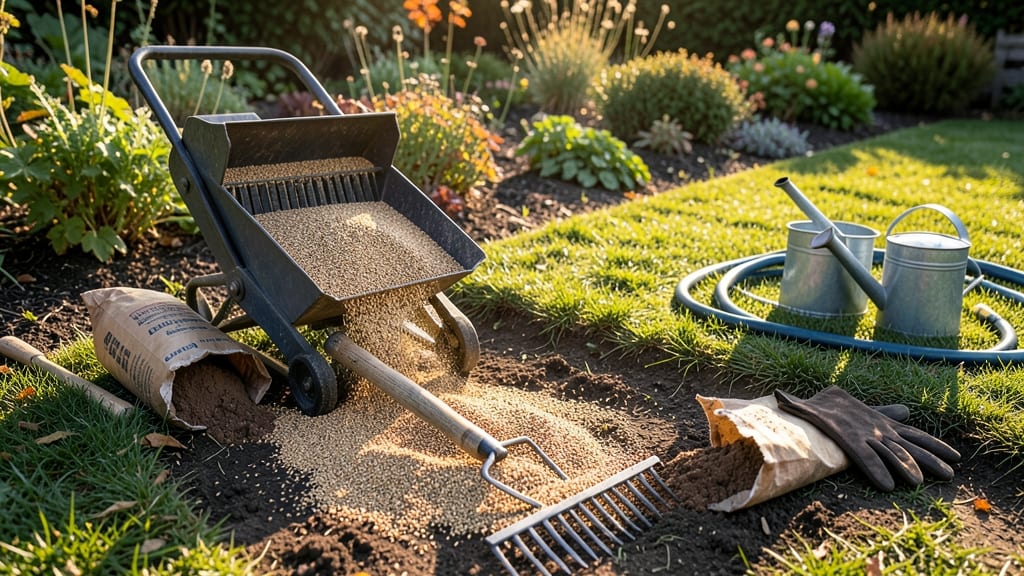
Fall reseed grass transforms your lawn from patchy to lush before winter sets in. 🌱 The secret? Cool temperatures and consistent moisture create the perfect conditions for seeds to germinate and establish strong roots—something spring just can’t match.
I’ve reseeded in both early fall and late fall, and the difference in grass density by next spring is shocking.
Timing is everything—aim for 4-6 weeks before your first frost, when soil stays warm enough for germination but weeds are still dormant. In northern climates, that’s late August to early September; in the South, it stretches until October.
Start with a soil test to check pH (ideal is 6.0-7.0) and loosen compacted areas with a rake or aerator. Weed control now means fewer battles later.
Choose a cool-season grass mix like Kentucky bluegrass or fescue for your region, and scatter seeds evenly after prepping the soil. Lightly rake them in—just enough to cover—and keep the area moist (not soggy) for the first 2-3 weeks.
By first frost, you’ll have a carpet of young blades ready to overwinter and outcompete weeds in spring.
Regional tweaks matter: Northern gardeners might add a thin layer of straw for winter protection, while Southerners can skip it unless frost is forecast. Watch for crabgrass or clover popping up—pull them early to avoid smothering your new grass.
With the right timing and care, your lawn will be the envy of the neighborhood by next summer.
📚 In This Guide
- What you need
- Instructions
- Tips and common mistakes
- Wrapping up and next steps
What you need
- ● Seed: Choose a cool-season grass mix (e.g., Kentucky bluegrass, fescue, or ryegrass) tailored to your climate. Quantity: 4–8 lbs per 1,000 sq ft (check seed bag for exact coverage rates).
- ○ Soil Test Kit: Test your soil’s pH (ideal: 6.0–7.0) and nutrient levels. Optional but recommended: Adjust with lime (if pH is low) or sulfur (if pH is high).
- ● Lawn Rake: A bow rake (for removing debris) and a spring-tooth rake (for leveling soil).
- ○ Broadcast Spreader: For even seed distribution. Optional: Hand-spreader for small areas.
- ● Starter Fertilizer: Low-nitrogen, high-phosphorus blend (e.g., 10-20-10). Quantity: 1 lb per 100 sq ft.
- ● Water: Hose with soaker hose or sprinkler (or a rain barrel for eco-friendly watering).
- ○ Mulch (Optional but Helpful): Straw or peat moss to retain moisture and protect seeds. Quantity: Light layer (¼ inch).
- ● Weather Check: Aim for 48–72 hours of dry forecast after seeding to avoid washout.
- ● Lawn Prep: Mow existing grass short (1–1.5 inches) and remove debris.
- ● Soil Prep: Loosen soil to a depth of ¼ inch with a rake or aerator (if compacted).
- ● Time of Day: Seed in the early morning or late afternoon to avoid seed burn from midday sun.
Step-by-Step guide to fall reseeding for a thick, weed-resistant lawn
Fall is the perfect window to transform thin patches into a lush, resilient lawn before winter sets in.
🌱 Step 1: Prepare the Soil for Optimal Seed Germination
Start by removing dead grass and debris from the area you're reseeding. Use a rake to loosen the top 1-2 inches of soil—this creates space for seeds to make contact with the earth. I like to use a garden fork for stubborn patches, as it breaks up compacted soil without disturbing surrounding areas.
Test the soil pH with a simple kit (aim for 6.0-7.0). If your soil is too acidic, add dolomitic lime according to package instructions two weeks before seeding. This ensures seeds have the right environment to germinate and establish strong roots before winter.
💧 Step 2: Choose the Right Grass Seed and Spread Evenly
Select a grass seed blend suited to your climate and sun exposure. For cool-season grasses like fescue or ryegrass, choose a mix designed for fall planting. I spread seed using a broadcast spreader set to the recommended rate—usually 4-8 pounds per 1,000 square feet—depending on the seed type.
Work in small sections to avoid missing spots. Lightly rake the area again to press seeds into the soil, ensuring good seed-to-soil contact. This step is critical: seeds need darkness and moisture to germinate, so don't bury them more than ¼ inch deep.
☀️ Step 3: Water Consistently for Germination and Root Establishment
Water immediately after seeding to settle the soil and activate germination. Keep the top 2 inches of soil consistently moist for the first 2-3 weeks—this is when seeds sprout and roots establish. A gentle sprinkler or soaker hose works best to avoid displacing seeds.
Watch for the first green shoots, which usually appear in 7-14 days. Once seedlings reach 2-3 inches tall, gradually reduce watering to 1 inch per week to encourage deep root growth. Overwatering now can lead to fungal issues or weak stems.
✂️ Step 4: Maintain and Protect New Growth Through Fall
Wait until new grass reaches 3-4 inches tall before your first mow. Set the mower blade to 3 inches to avoid scalping tender seedlings. Mow only when the grass is dry to prevent clumping and disease.
Apply a light layer of starter fertilizer (high in phosphorus) after the first mowing to support root development. Avoid heavy nitrogen applications now—it promotes top growth at the expense of roots. By late fall, reduce watering further to ½ inch per week unless rainfall is scarce.
⏰ Step 5: Winterize for Spring Success
Stop fertilizing and watering by 6 weeks before your first frost. This allows roots to harden off naturally. Rake up any fallen leaves to prevent smothering—thin layers are fine, but thick mats block light and air.
Come spring, you'll see the difference: a dense, weed-resistant lawn ready to thrive. The key was timing—fall's cooler temps and consistent moisture give seeds the ideal conditions to establish before winter dormancy.
Tips & tricks for perfect fall grass reseeding
Fall reseeding isn't just about sprinkling seeds—it's about creating the ideal conditions for long-term lawn success. Here's what I've learned from years of trial and error.
Soil Prep is Non-Negotiable: In Step 1, when you're loosening that top 1-2 inches of soil, think of it as creating a cozy bed for your seeds. I've found that using a garden fork for compacted areas breaks up the soil more effectively than a rake alone. This isn't just about aeration—it's about removing barriers that prevent seeds from making proper contact with moisture and nutrients. The goal is to create a loose, crumbly texture where seeds can nestle just below the surface.
Seed Depth Matters More Than You Think: During Step 2, when pressing seeds into the soil, remember that depth is critical. Seeds need darkness to germinate, but burying them more than ¼ inch too deep can starve them of the light they need to break through. I've seen many gardeners overdo it with the raking, thinking they're helping when they're actually suffocating their seeds. A gentle press with the back of a rake is all you need—just enough to create good contact without covering them completely.
Watering Strategy Prevents Common Failures: The 2-3 week watering window in Step 3 is where most people go wrong. I recommend setting up a simple watering schedule right after seeding: twice daily for 10-15 minutes each time (morning and late afternoon) to keep that top 2 inches consistently moist. This mimics natural rainfall patterns and prevents the soil from drying out between waterings. A soaker hose works best because it delivers water directly to the soil without disturbing the delicate seedlings.
Timing Your First Mow Correctly: Waiting until new grass reaches 3-4 inches in Step 4 is crucial—this gives roots time to establish before they're stressed by mowing. I've seen many people rush this step and end up with weak, shallow-rooted grass that struggles to survive winter. When you do mow, set that blade to 3 inches and never lower. This height protects the crown of the plant and encourages deeper root growth, which is exactly what you want for a weed-resistant lawn.
Pro Tips for Reseed Grass In Fall
- Fall reseeding isn't just about sprinkling seeds—it's about creating the ideal conditions for long-term lawn success....
- Soil Prep is Non-Negotiable: In Step 1, when you're loosening that top 1-2 inches of soil, think of it as creating a ...
- Seed Depth Matters More Than You Think: During Step 2, when pressing seeds into the soil, remember that depth is crit...
Frequently asked questions
Got questions about reseed grass in fall? You’re not alone! Here are some of the most common concerns—and their straightforward answers—to help you tackle your lawn project with confidence.
Why is fall the best time to reseed grass?
Fall is ideal because cooler temperatures reduce stress on new seedlings, while warm soil encourages strong root growth. Plus, weeds are less aggressive, giving your grass a competitive edge before winter. Aim for 4-6 weeks before first frost for best results.
How long does it take for new grass to grow after reseeding?
Expect to see sprouts in 7-14 days, but full coverage takes 3-4 weeks. Walk on the lawn lightly during this time—heavy foot traffic can damage tender blades. Patience pays off with a lush, resilient lawn!
Can I reseed grass without a lawn roller?
A lawn roller helps, but you can press seeds into soil with a rake or even your feet (wear shoes!) after spreading. Just ensure seeds make contact with soil—lightly cover them with a thin layer of compost or topsoil for moisture retention.
What if weeds pop up after reseeding?
Weeds are normal early on, but don’t panic! Focus on watering deeply (1-1.5 inches weekly) to help grass outcompete them. Once your new grass reaches 3-4 inches tall, it’ll crowd out most weeds naturally. Spot-treat stubborn weeds with vinegar or a pre-emergent herbicide after reseeding.
What if fall weather turns cold or rainy before germination?
Don’t stress—seeds can stay dormant until conditions improve. Cover seeds with a breathable burlap or straw if frost threatens, but avoid plastic (it traps moisture and causes rot). Check soil temps: seeds need 50–65°F for best germination. Adjust your timeline if needed!
Wrapping up and next steps
Fall is the perfect time to reseed your lawn for a lush, weed-resistant green space next spring!
By following these steps—preparing the soil, choosing the right seed, and maintaining consistency—you’ll give your grass the best chance to thrive. Don’t wait until spring; cooler temperatures and moisture work in your favor now.
Ready to take action? Grab your tools, pick your seed blend, and get started this weekend! Your future lawn will thank you—and so will your neighbors. 🌱