
Lawn
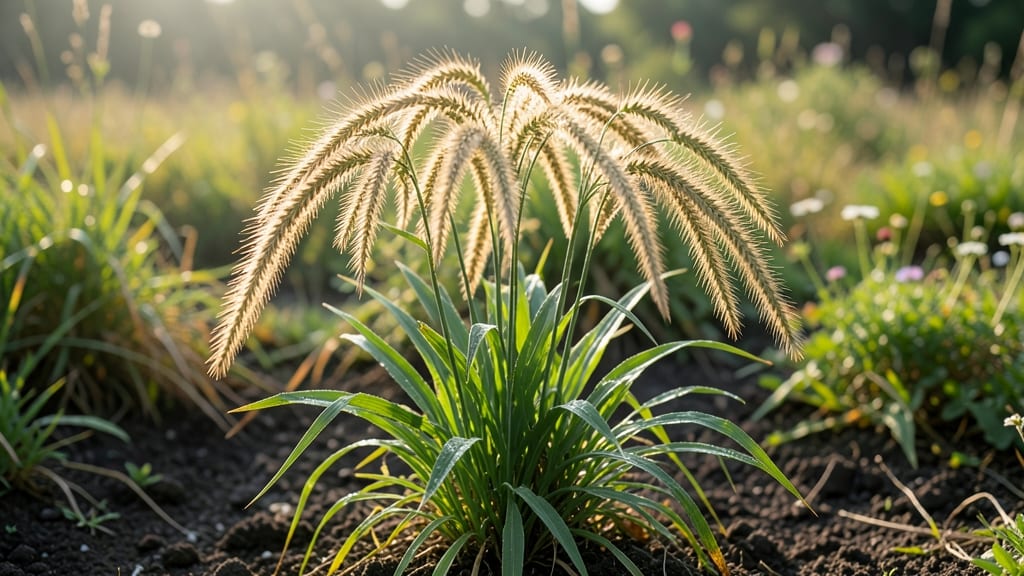
Growing millet seed heads that burst into dramatic plumes takes just 60 days—and the secret starts with breaking dormancy right. 🌾 I’ve watched these feathery blooms transform bare stems into showstopping gold-and-tan clouds, and it’s easier than you’d think once you know the timing and care.
The key is patience with the early stages: millet loves hot sun but hates soggy soil. Plant seeds ½ inch deep after your last frost, and within weeks, you’ll see those signature bottlebrush-shaped seed heads emerge.
They start as tight, fuzzy clusters before unfurling into the airy plumes that make millet a standout in any garden. By late summer, you’ll have harvest-ready seed heads that dry to a papery texture—perfect for drying arrangements or even bird feeders.
The process is forgiving, but the payoff is undeniably rewarding when those feathery tops sway in the breeze. Works for both ornamental borders and edible gardens—just let some heads mature for seeds while harvesting others early for texture. Here’s how to coax those blooms into full glory!
📚 In This Guide
- What you need
- Instructions
- Tips and common mistakes
- Wrapping up and next steps
What you need
- ● Millet seeds: Choose Pennisetum glaucum (pearl millet) or Panicum virgatum (switchgrass) for vibrant seed heads. Buy 1–2 lbs (450–900g) per 100 sq ft for dense planting.
- ● Well-draining soil: Millet thrives in sandy loam or clay-loam with a pH of 5.5–7.5. Amend heavy clay with compost or perlite (1 part per 3 parts soil).
- ● Sunlight: Full sun (6+ hours/day) is a must—partial shade may reduce seed head vigor.
- ● Water source: A hose with a gentle spray nozzle or drip irrigation system for consistent moisture.
- ○ Fertilizer (optional but recommended): Balanced 10-10-10 or 5-10-10 granular fertilizer (1 tbsp per sq ft) at planting.
- ● Slow-release organic (e.g., composted manure or worm castings) for nutrient-rich soil.
- ● Garden tools: Hand trowel or transplanting spade for digging.
- ● Rake (8–12-inch) to level soil.
- ● Gloves (gardening or work gloves) to protect hands.
- ● Planting layout: Sketch a grid or staggered pattern (12–18 inches apart) for uniform growth.
- ○ Mulch (optional): Straw or wood chips (2–3 inches thick) to retain moisture and suppress weeds.
- ● Pruners or scissors: For trimming dead seed heads in late winter to encourage new growth.
- ○ Bird netting (optional): If planting near bird feeders to protect seed heads from early foraging.
Step-by-step guide to growing stunning millet seed heads
Here's how I transform ordinary millet into dramatic, drought-tolerant blooms that last all season.
🌱 Step 1: Choose and Prepare Your Millet Variety
Select proso millet or foxtail millet for their showy seed heads—both thrive in poor soil and full sun. I always buy certified organic seeds from a specialty supplier to avoid dormancy issues. Soak seeds overnight in lukewarm water (this breaks dormancy and speeds germination by 30-50%).
Drain the seeds in the morning and spread them on a paper towel to dry slightly—just until they no longer feel slick. Planting damp seeds prevents clumping in the soil. For 4 plants, you'll need about 1/4 pound of seeds (roughly 1 cup).
☀️ Step 2: Plant in Well-Draining Soil with Full Sun
Millet demands 6+ hours of direct sunlight daily—no compromise here. Prepare the soil by mixing in 1 inch of compost to improve drainage (millet hates soggy roots). Scatter seeds 1/4 inch deep and 6 inches apart in rows spaced 12 inches apart.
Lightly cover with soil and water gently to settle. Avoid compacting the soil—millet roots need air. You'll see first true leaves in 7-10 days at 70-75°F. If germination slows, check soil moisture—it should feel like a damp sponge, not wet.
💧 Step 3: Water Deeply and Let Nature Take Over
Water once weekly after establishment (when plants reach 6 inches tall), giving 1 inch of water total. Millet is drought-tolerant, but deep soakings encourage stronger stems. Stop watering 4 weeks before harvest to harden seed heads for drying.
Watch for pale yellowing leaves—this signals underwatering, not disease. Millet handles neglect better than over-attention. Fertilizer isn't needed unless your soil is extremely poor; millet grows fast and doesn't need extra nutrients.
✂️ Step 4: Harvest at Peak Maturity for Best Display
Cut seed heads when 80% of the plumes turn golden-brown (usually 60-70 days after planting). Use clean pruners and leave 2-3 inches of stem for vase life. Hang heads upside down in a dry, dark, well-ventilated space for 2-3 weeks to fully dry.
Real talk: If you harvest too early, seed heads won't hold their shape. Too late, and they'll scatter seeds everywhere. Test one head first—if it crumbles easily, wait a few more days. Dried heads last 6-12 months in storage.
🪴 Step 5: Extend the Season with Simple Tricks
For fall displays, plant a second crop 8 weeks before first frost. Millet's cold tolerance lets it survive light frosts—seed heads actually sweeten after a frost! To preserve cut blooms, spray dried heads with clear acrylic sealer (available at craft stores) for extra longevity.
Here's the thing—millet thrives in USDA zones 3-10, making it one of the most adaptable ornamental grasses. In colder climates, plant in spring; in hot zones, sow in early fall to avoid summer heat stress. Your local extension office can confirm your exact planting window.
Tips & tricks for growing stunning millet seed heads
Confession: I struggled with millet germination for years until I cracked the dormancy secret. Here's what nobody tells you about growing these showstopping seed heads.
Dormancy-Breaking Tip: The overnight soak in lukewarm water isn't just about hydration—it triggers the seeds' natural dormancy-breaking process. I've found that using a glass jar with a loose lid for soaking prevents mold while maintaining the perfect humidity. After draining, spread seeds on a paper towel in a single layer and let them dry just until they no longer feel damp to the touch (about 15-20 minutes). This prevents clumping in the soil, which can lead to uneven germination.
Soil Preparation Secret: While the instructions mention 1 inch of compost, I've had even better results adding a handful of perlite or coarse sand to the planting mix. This creates tiny air pockets that millet roots absolutely crave, especially in heavier soils. The key is to mix it thoroughly—don't just sprinkle on top. If your soil is particularly dense, consider planting in raised beds for even better drainage.
Germination Timing: Those 7-10 days for first true leaves can feel like forever, but there's a trick to speed things up: plant when your soil temperature consistently reaches 70-75°F. Use a soil thermometer to check—millet seeds are sensitive to temperature fluctuations. If you're planting in cooler conditions, consider using a mini greenhouse or cold frame to create a warmer microclimate. I've seen germination times cut in half this way.
Harvesting Insight: The 80% golden-brown rule is spot-on, but here's what I watch for beyond color: gently rub a seed head between your fingers. When it feels dry and papery but doesn't crumble, that's your perfect moment. I harvest test heads every 2-3 days during the final week to track progress. Pro tip: Harvest on a dry morning when dew has evaporated—this prevents moisture from causing mold during your 2-3 week drying period.
Pro Tips for Millet Seed Head
- Confession: I struggled with millet germination for years until I cracked the dormancy secret. Here's what nobody tel...
- Dormancy-Breaking Tip: The overnight soak in lukewarm water isn't just about hydration—it triggers the seeds' natural...
- Soil Preparation Secret: While the instructions mention 1 inch of compost, I've had even better results adding a hand...
Frequently asked questions
Got questions about growing millet seed heads? You’re not alone! Here are some of the most common queries—plus quick, practical answers to help you cultivate stunning blooms in no time.
How do I know when millet seed heads are ready to harvest?
Millet seed heads are ready for harvest when the tassels turn golden-brown and the seeds rattle when shaken. For most varieties, this happens 60–75 days after planting. Harvest on a dry day to prevent moisture damage—cut the heads with clean shears and hang them upside down to dry for 1–2 weeks.
Can I break dormancy in millet seed heads without soaking?
Yes! While soaking seeds in warm water for 12–24 hours speeds up germination, you can also scarify the seed coat with sandpaper or a knife to mimic natural wear. For seed heads, focus on planting in well-draining, warm soil (60°F+)—millet thrives in heat and often germinates faster without pre-treatment.
What’s the best way to prevent millet seed heads from falling over?
Millet’s tall, slender stems can flop under wind or rain. To keep them upright:
- Stake them early—insert bamboo stakes at planting and tie stems loosely with twine.
- Choose shorter varieties like Japanese millet (2–3 ft) for better stability.
- Avoid overcrowding—space plants 12–18 inches apart for airflow.
Will millet seed heads grow in partial shade?
Millet loves full sun (6+ hours daily), but it can tolerate partial shade—just expect smaller seed heads and slower growth. If planting in shade, prioritize well-draining soil and fertilize lightly with phosphorus to encourage blooming. Avoid dense shade; millet needs light to develop those iconic plumes!
What can I do if my millet seed heads aren’t blooming?
If your millet stays green but refuses to flower, check these fixes:
- Light issue—move to sunnier spot or supplement with grow lights.
- Nutrient deficiency—add a balanced fertilizer (10-10-10) at planting and mid-growth.
- Overwatering—millet hates soggy roots; let soil dry slightly between waterings.
- Variety mismatch—some millets (like foxtail) bloom later; check your seed packet.
Patience helps too—some varieties take up to 90 days to flower!
Wrapping up and next steps
Growing millet with dormancy-broken seed heads is a rewarding journey that yields lush blooms in just 60 days—perfect for adding texture and color to your lawn or garden! 🌱 With the right soil, spacing, and care, you’ll enjoy hardy, drought-resistant plants that thrive with minimal fuss.
Whether you’re a beginner or a seasoned gardener, millet’s fast growth and striking seed heads make it a standout choice.
Ready to transform your space? Start by gathering your supplies, breaking dormancy, and planting your seeds this weekend. Before you know it, your garden will be buzzing with life—and maybe even a few happy pollinators! 🐝