
Lawn
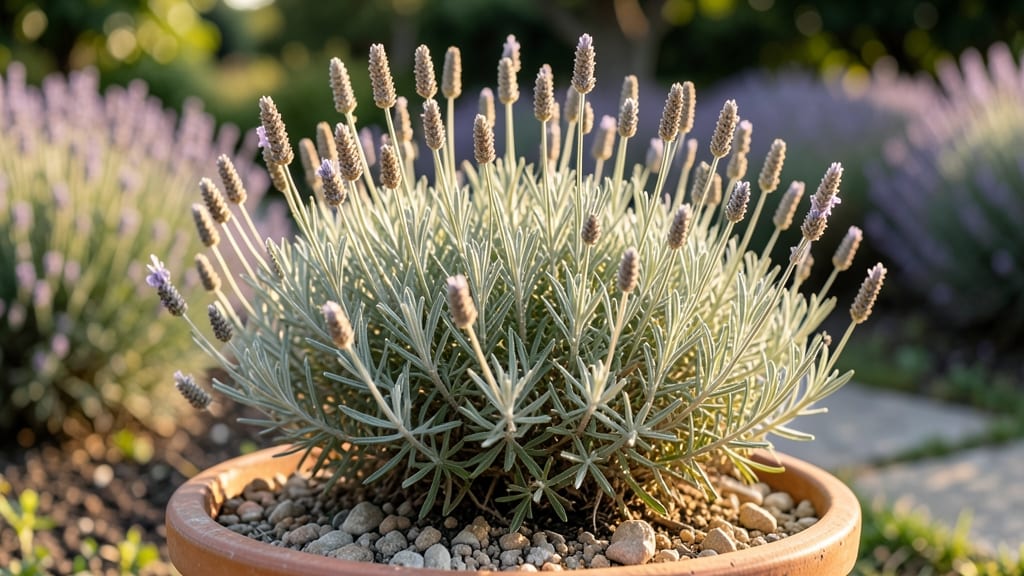
Harvesting lavender seed pods turns last year’s spent blooms into next season’s fragrant future. 🌿 The trick is timing—wait until the pods turn from green to a papery brown, usually in late summer to early fall, when they’ve dried naturally on the plant but haven’t shattered yet.
One wrong move and you’ll lose those tiny seeds to the wind or birds, so here’s how to do it right.
Gather pods on a dry day and strip them carefully by hand or gently shake them over a bowl. Spread them in a single layer on a screen or paper towel to dry for 1-2 weeks in a warm, dark place—no direct sun, or they’ll lose viability.
Store the dried pods in an airtight container with a silica packet to keep moisture out until planting time.
Once you’re ready to sow, nick the pods with scissors to release the seeds, then scatter them on well-draining soil in early spring.
Lavender from seed takes 6-12 months to bloom, but the wait pays off with hardy plants that thrive in full sun and poor soil—just like their parent.
Fair warning: germination rates are low (think 10-30%), but that’s part of the charm. Patience and perfect timing turn these tiny pods into your garden’s signature scent. Here’s how to maximize your chances of success.
📚 In This Guide
- What you need
- Instructions
- Tips and common mistakes
- Wrapping up and next steps
What you need
- ● Fresh lavender plants – Choose mature, healthy plants with fully developed seed pods (typically in late summer or early fall). Quantity: Enough to yield 1–2 cups of pods (adjust based on your needs).
- ● Pruning shears or sharp scissors – For cleanly snipping stems with seed pods attached.
- ● Brown paper bags or breathable mesh bags – Quantity: 2–4 bags (to hold pods while drying).
- ● Drying rack or screen – A flat, elevated surface (like a wire rack or old window screen) to promote airflow.
- ● Air-dry space – A warm, dry, well-ventilated area (e.g., a garage, porch, or dehydrator set to low heat).
- ● Air-tight storage containers – Glass jars, resealable bags, or tin boxes with silica gel packets (to prevent moisture). Size: Small to medium (8–16 oz).
- ● Dehydrator – Speed up drying with a gentle setting (95–115°F).
- ● Labeling tags & permanent marker – To note the variety and harvest year.
- ● Fine-mesh sieve or colander – For separating seeds from dried pods if desired.
- ● Silica gel packets – Extra moisture absorbers for long-term storage.
Step-by-Step guide to harvesting, drying, and storing lavender seed pods
Here's how I save lavender seeds year after year—no fancy tools, just patience and timing.
🌿 Step 1: Identify and Harvest Mature Seed Pods
Wait until late summer to early fall when flower stems turn completely brown and papery. The seed pods will look like tiny, dried-up bulbs at the base of each spent bloom. Snap them off by hand or use clean pruning shears to avoid damaging the plant.
I harvest on a dry morning after the dew has evaporated—this prevents moisture from sticking to the pods and encouraging mold. Collect pods in a paper bag (not plastic) to allow airflow. If you miss the harvest window, pods may shatter and scatter seeds before you can collect them.
☀️ Step 2: Dry the Seed Pods Thoroughly
Spread the pods in a single layer on a screens or mesh tray in a warm, dry place with indirect sunlight. A sunny windowsill works well, but avoid direct afternoon sun which can overheat and crack the pods. This drying process takes 2-3 weeks—patience is key here.
Check daily for signs of moisture. If a pod feels damp when you squeeze it gently, keep drying for another day or two. You'll know they're fully dry when they rattle when shaken and open slightly to reveal tiny brown seeds inside. Store them in a cool, dark place until ready to plant.
🪴 Step 3: Extract and Store Seeds Properly
Once completely dry, gently rub the pods between your palms over a white paper or light-colored tray to release the seeds. The seeds will fall out easily while the chaff remains behind. I use a fine mesh strainer to catch any stray seeds that might blow away during the process.
Transfer the seeds to a paper envelope or glass jar and label with the variety and harvest date. Store in a cool, dry place (like a pantry) where they'll remain viable for 2-3 years. For best results, plant within a year—fresh seeds germinate more reliably.
⏰ Step 4: Plant Fresh Seeds for Next Season
Sow lavender seeds in early spring just before the last frost date. Scatter them lightly on top of well-draining soil (lavender hates soggy roots) and press them down gently. Keep the soil barely moist—lavender seeds need light to germinate, so don't cover them with soil.
Germination can take 2-4 weeks and may be spotty. Once seedlings appear, thin them to 6-12 inches apart, depending on the variety. Lavender grows slowly from seed, so be patient—it's worth the wait for those fragrant blooms next summer.
Tips & tricks for perfect lavender seed pod preservation
Here's what I learned after years of trial and error saving lavender seeds—these tricks make all the difference between viable seeds and wasted effort.
Harvest Timing: The late summer to early fall window is non-negotiable for lavender seed pods. Look for stems that have completely turned brown and papery—this is your cue they're ready. I've missed harvests by just a few days, and those pods would shatter when touched, scattering seeds everywhere. Harvest in the morning after dew dries to prevent moisture buining in the pods.
Drying Strategy: The 2-3 week drying period is where most people rush and end up with moldy pods. I use a mesh tray in indirect sunlight (like my kitchen windowsill) and check daily by gently squeezing pods. If they feel damp, they need more time. Pro tip: Place a small fan nearby on low setting to gently circulate air—this speeds up drying by about 30% without overheating.
Seed Extraction: When extracting seeds in Step 3, use a white paper tray to make the tiny brown seeds stand out against the chaff. I've found that gently tapping the pods against the tray rather than rubbing creates less dust. For stubborn pods, place them in a paper bag and shake gently—this releases seeds without damaging them. The fine mesh strainer catches any seeds that might escape during the process.
Storage Wisdom: Once seeds are stored in paper envelopes or glass jars, label them with both the variety and harvest date. I've seen seeds lose viability faster when stored in plastic containers—paper allows for better air circulation. For long-term storage, place a small silica gel packet in the container to absorb any residual moisture that could compromise seed quality.
Pro Tips for Lavender Seed Pods
- Here's what I learned after years of trial and error saving lavender seeds—these tricks make all the difference betwe...
- Harvest Timing: The late summer to early fall window is non-negotiable for lavender seed pods. Look for stems that ha...
- Drying Strategy: The 2-3 week drying period is where most people rush and end up with moldy pods. I use a mesh tray i...
Frequently asked questions
Got questions about lavender seed pods? You’re not alone! Here are some of the most common queries—and their answers—to help you master the harvest, drying, and storage process like a pro.
Can I grow lavender from seed pods, or should I buy seeds?
You can grow lavender from seed pods, but it’s hit-or-miss! Lavender seeds are notoriously slow to germinate (sometimes up to 30 days) and may not retain the parent plant’s traits. For faster, more reliable results, opt for store-bought seeds or cuttings from a trusted lavender plant.
How long do lavender seed pods take to dry completely?
Lavender seed pods need 2–4 weeks to dry fully, depending on humidity and airflow. Place them in a well-ventilated spot (like a mesh bag or open container) away from direct sunlight. Test readiness by gently squeezing a pod—if it crumbles easily, it’s dry! Pro tip: Speed up drying with a fan on low.
What’s the best way to store dried lavender seed pods?
Store pods in an airtight container (glass jars or resealable bags work best) in a cool, dark place (like a pantry or fridge). Label with the date—pods stay viable for 1–2 years. Avoid plastic bags to prevent moisture buildup, which can mold seeds. Bonus: Add a silica gel packet for extra dryness!
Why aren’t my lavender seed pods opening on the plant?
Pods may stay closed if they’re harvested too early (wait until they turn brown and papery) or if humidity is too high. Check for pests (like aphids) or disease, which can stunt maturation. If pods are healthy but stubborn, try tapping them gently against a hard surface to encourage opening. Patience is key!
Can I use dried lavender seed pods for anything other than planting?
Beyond seeds, dried pods add texture and fragrance to potpourri, sachets, or homemade lavender wreaths. Crush them lightly for a subtle floral scent in pillows or craft projects. Just avoid inhaling the dust—it can irritate sensitive lungs. Creativity tip: Mix with dried rose petals for a romantic touch!
Wrapping up and next steps
Harvesting, drying, and storing lavender seed pods is a rewarding way to preserve nature’s fragrance and ensure next season’s blooms thrive.
By mastering these simple steps—timing your harvest, using proper drying techniques, and storing seeds in airtight containers—you’ll unlock a world of aromatic possibilities. Your garden (and future lavender lovers) will thank you!
Ready to dive in? Start small—pick a sunny spot, gather your tools, and begin your lavender seed journey today. Grab your gloves and get growing! 🌱✨