
Propagation
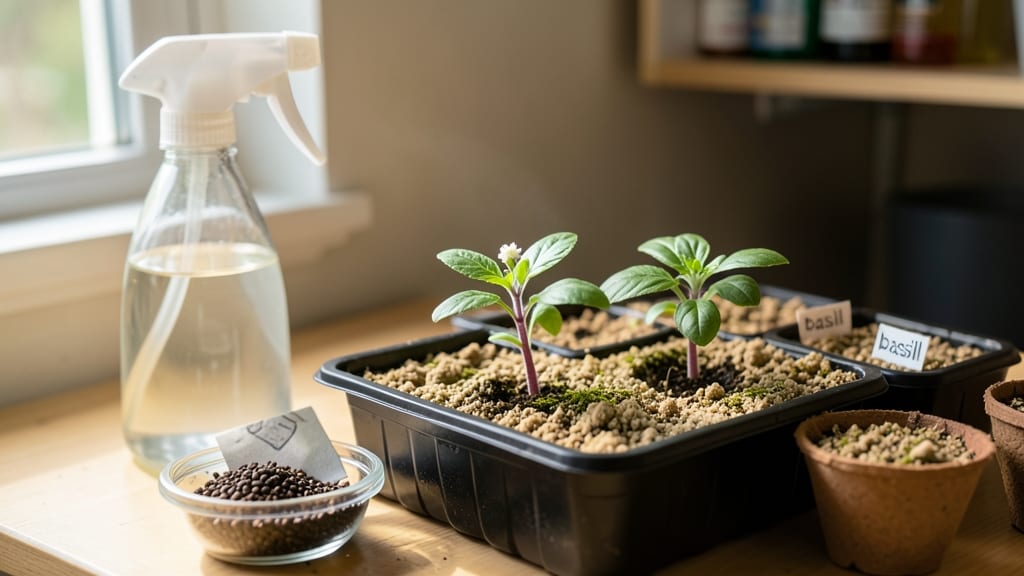
Growing basil from seed indoors means fresh pesto anytime—no grocery store trips needed. 🌱 I’ve started dozens of basil seeds, and the trick isn’t fancy equipment but matching their Mediterranean roots to your home’s light and warmth.
Most people overwater or crowd the seedlings, but with the right setup, you’ll see those first true leaves in just 10-14 days—and full harvests by week 3.
The secret starts with a 3-inch pot (or any container with drainage) filled with seed-starting mix, not garden soil. Basil seeds need warmth—place them near a sunny window or under a grow light for 12-16 hours daily.
Keep the soil damp (not soggy) and cover the pot with plastic wrap until sprouts appear. Too much water drowns them; too little halts germination.
By week 3, you’ll pinch off the top leaves to encourage bushier growth, and the aroma will make your kitchen smell like a Tuscan market. The plants stay productive for 6+ months with proper care—no need to replant every season.
This method works for any windowsill or grow light setup, even in small apartments.
Fair warning: Basil hates cold drafts and overcrowding. If leaves yellow or stretch too tall, it’s begging for more light or thinner spacing. But once you nail the basics, you’ll never buy basil again—just snip what you need and watch it regrow.
Here’s how to avoid the most common pitfalls while keeping your plants thriving.
📚 In This Guide
- What you need
- Instructions
- Tips and common mistakes
- Wrapping up and next steps
What you need
- ● Basil seeds: 5–10 seeds (organic, non-GMO preferred for best results).
- ● Seed-starting mix: 1–2 cups of lightweight, sterile potting soil (avoid garden soil—it’s too dense!).
- ● Small containers: 2–4 biodegradable pots (2–3 inches wide) or a seed tray with cells (3–4 inches deep).
- ● Spray bottle: 8–16 oz with a fine mist nozzle (for gentle watering).
- ● Clear plastic wrap or humidity dome: To retain moisture while seeds germinate.
- ○ Grow lights (optional but helpful): A 12–15W LED bulb or a full-spectrum grow light for 12–16 hours/day if natural light is limited.
- ● Tweezers or pencil: For gently pressing seeds into soil.
- ● Small hand trowel: To scoop and level soil.
- ● Plant labels: To track varieties (e.g., Genovese, Thai, or Purple basil).
- ○ Fertilizer (optional): A balanced, water-soluble fertilizer (5-5-5 or 10-10-10) diluted to half-strength for seedlings.
- ● Scissors: For trimming leggy seedlings later.
- ● Warmth: Keep soil at 70–75°F (21–24°C) for germination (a seedling heat mat helps if your home is cooler).
- ● Light: A south-facing windowsill (6+ hours of direct sunlight) or grow lights 2–3 inches above seedlings.
- ● Humidity: High humidity (80–90%) until seeds sprout (use plastic wrap or a humidity dome).
Step-by-step instructions for growing basil from seed indoors
Here's my foolproof method for growing basil from seed—no fancy equipment needed, just patience and a sunny spot.
🌱 Step 1: Prepare Your Containers and Soil Mix
Start with small, clean containers—2-3 inch deep pots or a seed tray work perfectly. Fill them with a light, well-draining seed-starting mix (never garden soil—it's too heavy and can rot seeds). I like to mix in a little perlite or vermiculite to keep things airy. Moisten the mix with water until it feels like a damp sponge but doesn't drip.
Press the soil down gently so it's firm enough to hold seeds in place but still loose enough for roots to grow. Tap the container lightly on the table to settle everything evenly. This prevents air pockets that could block water flow or root growth later. Real talk: if the soil feels like packing dirt, you packed it too hard—ease up.
🌱 Step 2: Plant the Seeds Correctly
Basil seeds are tiny, so I use a toothpick to poke a tiny hole—about ¼ inch deep—in the soil. Place 1-2 seeds per container (you'll thin later). Cover them lightly with more soil, just enough to hide them but not bury them too deep. Too-deep seeds struggle to reach light and may rot before sprouting.
Mist the soil gently with a spray bottle until it's evenly damp. Avoid soaking—you want moisture, not a swamp. Place the containers in a warm spot, ideally 70-75°F. A seedling heat mat helps, but even a sunny windowsill works. Watch for sprouts in 7-14 days—they'll pop up like little green flags when ready.
☀️ Step 3: Provide the Right Light and Airflow
The moment those first leaves appear, move your basil to the sunniest window you have—south-facing is ideal. Basil needs 6-8 hours of direct light daily. If your window isn't bright enough, supplement with a grow light (LED bulbs work great) placed 2-3 inches above the plants. You'll know it's not enough light if the seedlings stretch tall and leggy toward the window.
Once the first true leaves (not the tiny seed leaves) appear, thin your seedlings to 1 per container. Use scissors to snip the weaker one at soil level—this prevents overcrowding and gives the winner room to grow. Keep airflow good by opening a nearby window occasionally; basil hates humidity buildup, which can cause mold.
💧 Step 4: Water and Fertilize for Strong Growth
Water your basil when the top inch of soil feels dry. Stick your finger in the soil to check—if it's damp, wait another day. Overwatering is the #1 killer of young basil. I water from the bottom by placing the pot in a saucer of water for 10 minutes, then letting it drain completely. This keeps roots from sitting in water.
After the seedlings have 4-6 true leaves (about 3-4 weeks in), feed them with a balanced liquid fertilizer (like 10-10-10) diluted to half strength. I fertilize every 2 weeks to keep them growing strong. Stop fertilizing if you see yellow leaves—it's a sign of overfeeding or too much water.
✂️ Step 5: Prune and Harvest for Bushier Plants
When your basil reaches 6 inches tall, pinch off the top set of leaves. This might seem counterintuitive, but it encourages the plant to branch out instead of growing tall and spindly. You'll see new side shoots forming within 1-2 weeks. Keep pinching back the tips regularly to keep your basil bushy and productive.
Start harvesting leaves when the plant is 8-10 inches tall. Snip individual leaves or cut stems just above a leaf node (where leaves meet the stem). This promotes more growth. Never take more than ⅓ of the plant at once, or you'll stunt its progress. Fresh basil tastes best, but if you need to store it, wash, dry thoroughly, and keep stems in water in the fridge for up to 1 week.
Tips & tricks for perfect basil seedlings indoors
Here's what I learned after growing basil from seed for years—these tricks make all the difference between struggling seedlings and thriving plants.
Soil Texture Matters: The seed-starting mix should feel like a damp sponge—not heavy like garden soil. If it feels too dense, mix in extra perlite or vermiculite (about 20% of the mix) to improve drainage. I learned this the hard way after losing seeds to rot—proper aeration prevents that swampy feeling that suffocates roots.
The Warmth Factor: That 70-75°F range isn't just a suggestion—it's critical for germination. If your home runs cooler, place containers on top of the fridge or use a seedling heat mat. I've seen germination times double when seeds sit in cooler spots (like 65°F). A warm spot speeds up the process from 7-14 days to as little as 5-7 days.
Lighting Hacks: For the 6-8 hours of light requirement, rotate your containers daily so all sides get even exposure. If using grow lights, keep them 2-3 inches above the plants and set a timer for 12-14 hours of light per day—basil loves extra daylight. I notice leggy seedlings when light is insufficient, so I supplement with a simple LED bulb when natural light drops below 6 hours.
Pruning Technique: When pinching back at 6 inches, always cut just above a leaf node (where leaves meet the stem). This hidden growth point will sprout new branches within 1-2 weeks. I avoid cutting stems randomly because it stresses the plant—target those nodes for maximum bushiness.
Pro Tips for Grow Basil From Seed Indoors
- Here's what I learned after growing basil from seed for years—these tricks make all the difference between struggling...
- Soil Texture Matters: The seed-starting mix should feel like a damp sponge—not heavy like garden soil. If it feels to...
- The Warmth Factor: That 70-75°F range isn't just a suggestion—it's critical for germination. If your home runs cooler...
Frequently asked questions
How long does it take for basil seeds to germinate?
Basil seeds typically sprout within 7–14 days when kept warm (around 70–75°F) and moist. Pro tip: Use a seedling heat mat or place pots on top of your fridge to speed up germination! If you don’t see sprouts after 2 weeks, gently check for mold or adjust moisture levels.
Why are my basil seedlings wilting or turning yellow?
Wilted or yellowing seedlings often signal overwatering or poor drainage. Let the top inch of soil dry out between waterings, and ensure pots have drainage holes. Troubleshoot: If roots look mushy, repot in fresh, well-draining soil. Yellow leaves can also mean nutrient deficiency—use a balanced liquid fertilizer once true leaves appear.
Can I grow basil indoors without a grow light?
Yes! Basil thrives in a sunny windowsill (south-facing is ideal) for 6+ hours of light daily. If natural light is limited, supplement with a LED grow light 12–14 hours/day. Watch for: Leggy, pale stems = not enough light. Rotate pots weekly for even growth.
How do I harvest basil without killing the plant?
Pinch off top sets of leaves (just above a pair of leaves) to encourage bushiness. Avoid cutting more than 1/3 of the plant at once. For continuous harvests, trim stems just above a leaf node. Bonus: Harvest in the morning for the freshest flavor!
What’s the best soil mix for indoor basil?
Use a light, well-draining potting mix (like a 50/50 blend of potting soil and perlite or coco coir). Avoid garden soil—it compacts and retains too much moisture. Upgrade tip: Add a handful of worm castings for extra nutrients and microbial activity.
Wrapping up and next steps
Growing basil from seed indoors is a rewarding journey that brings fresh, fragrant herbs right to your kitchen—no green thumb required! 🌱 With just a few simple steps, proper light, and a little patience, you’ll enjoy homegrown basil in as little as three weeks.
Whether you’re a beginner or a seasoned plant parent, this method proves that success starts small—literally, from a seed.
Now that you’re armed with the knowledge, why not take the next step? Try experimenting with different varieties or even harvesting tips to keep your basil thriving. Your future pesto (and Instagram-worthy windowsill) awaits! 🥗✨