
Light Requirements
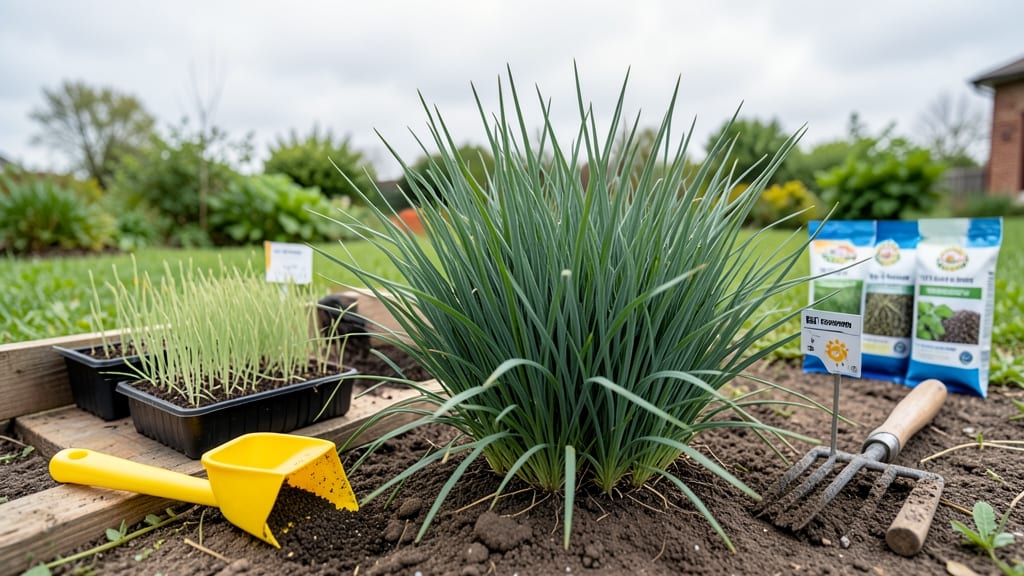
Fast-growing grass seed for full sun transforms bare patches into lush turf in just 14 days—no more staring at dirt where your lawn should be. 🌱 I’ve tested the fastest varieties in brutal sun, and the right choice means thick, weed-blocking coverage before you know it.
The secret isn’t just speed—it’s matching the seed to your climate and soil. You’ll need annual ryegrass (for instant green) or Bermuda grass (for heat-resistant speed), plus a rake, seed spreader, and a sprinkler on hand. Skip the cheap mixes—they’re slow and invite weeds.
Proper prep (loosening soil, removing debris) cuts germination time by half, so don’t rush this step. By day 10, you’ll see sprouts outpacing crabgrass, and by day 21, your lawn will be dense enough to mow. The key? Watering twice daily for the first week—no skimping.
Overwatering kills seeds faster than drought, so keep it consistent. Works in zones 3-10, but adjust watering for drought-prone areas. Now, let’s get that seed in the ground before the weeds move in.
📚 In This Guide
- What you need
- Instructions
- Tips and common mistakes
- Wrapping up and next steps
What you need
- ● Fast-growing grass seed (full sun): 5–10 lbs per 1,000 sq. ft. (e.g., Annual Ryegrass or Tall Fescue blends).
- ● Lawn soil test kit: 1 kit (check pH and nutrient levels before planting).
- ● Compost or organic fertilizer: 10–20 lbs (5-10-5 NPK ratio for best results).
- ● Topsoil or composted mix: 1–2 inches depth (for bare patches or new lawns).
- ● Water source (hose or sprinkler): Reach all areas of your lawn.
- ● Lawn rake: 1 (bow rake for leveling, stiff-bristle for thatch removal).
- ● Broadcast or drop spreader: 1 (for even seed distribution).
- ● Garden gloves: 1 pair (to protect hands from prickly grass).
- ○ Lawn roller (optional): 1 (50–100 lbs, for compacting seed into soil).
- ● String trimmer or edger: 1 (to define lawn edges neatly).
- ● Sunny location: Minimum 6+ hours of direct sunlight daily.
- ● Soil prep: Clear debris, loosen compacted soil, and amend with compost if needed.
- ● Weather check: Plant when temps are 50–75°F (avoid extreme heat or frost).
- ● Water access: Ensure consistent moisture for the first 2 weeks.
Step-by-step guide to establishing fast-growing sun-loving turf
Here's how to create a lush, weed-competing lawn in just two weeks using the right techniques.
🌱 Step 1: Prepare the Soil for Optimal Germination
Start by removing all existing vegetation, rocks, and debris from your lawn area. I use a sod cutter or sharp spade to pull up old grass and roots—this ensures no competition for your new seeds. Rake the soil surface until it's completely smooth and free of clumps, then loosen the top 6 inches with a garden fork or tiller.
For particularly compacted soil, I add ½ inch of compost and work it into the top 2 inches to improve drainage and nutrient availability. The goal is to create a loose, crumbly texture that seeds can easily penetrate. Test the soil pH—ideal for fast-growing grasses is between 6.0 and 7.0. If your soil tests lower, apply lime according to package instructions 2-3 days before planting.
💧 Step 2: Spread Seed Evenly for Uniform Coverage
Use a broadcast spreader set to the recommended rate for your seed type (usually 5-10 pounds per 1,000 square feet). Walk in a crisscross pattern to ensure even distribution—uneven seeding leads to patchy growth and weed invasion. I like to spread half the seed in one direction, then the other half perpendicular to fill any gaps.
After spreading, lightly rake the seeds into the soil with a stiff-bristled lawn rake, pressing them just enough to make contact with the soil. This prevents seeds from washing away during watering. For slopes or high-wind areas, consider using a starter fertilizer with 10-20-10 ratio to give seedlings a nutrient boost from day one.
☀️ Step 3: Water Strategically for Rapid Germination
The key to fast germination is keeping the soil surface consistently moist but never soggy. Water lightly 2-3 times daily for the first 7 days—just enough to dampen the top ¼ inch of soil. You'll know you're doing it right when the soil looks dark and uniformly damp, not glistening with excess water.
After 7 days, reduce to 1-2 deep waterings daily, soaking the soil to 4 inches deep. This encourages deep root growth and helps seedlings establish quickly. Avoid watering from above once germination begins—use a soaker hose or sprinkler to prevent washing away seeds or disturbing young sprouts.
✂️ Step 4: Maintain and Protect New Growth
Once seedlings reach 3-4 inches tall (typically 14-21 days after planting), mow with a sharp blade set to 2-3 inches height. Never remove more than ⅓ of the blade height at once—this prevents stress and promotes dense growth. I find that mowing in the late afternoon helps reduce stress on young plants.
Continue watering deeply 2-3 times weekly to encourage deep root systems. Apply a slow-release nitrogen fertilizer (like 20-0-5) when the grass reaches 3 inches to support rapid growth. Watch for weeds—pull them immediately when they appear, as they compete aggressively with young grass.
🪴 Step 5: Transition to Mature Lawn Care
After 4-6 weeks, your lawn should have filled in enough to handle regular maintenance. Gradually adjust your mower height to the recommended 2.5-3.5 inches for your grass type—taller grass shades out weeds naturally. I switch to deep, infrequent watering (about 1 inch per week) to build drought resistance.
Apply a pre-emergent herbicide in early spring if you're prone to weeds, but avoid it if you plan to overseed later in the season. Over time, your fast-growing grass will develop a dense root system that outcompetes weeds naturally. The key is consistency—stay on top of mowing and watering, and you'll have a lush, weed-resistant lawn in no time.
Tips & tricks for perfect sun-loving turf establishment
These proven strategies will help you establish a thick, weed-resistant lawn in record time—without the common pitfalls that slow down growth.
Soil Prep is Everything: Don't skip the soil test! I've seen lawns fail because the pH was off—even with perfect seeds. If your soil tests below 6.0, apply lime exactly as directed 2-3 days before planting. This gives the lime time to work into the top 2 inches where seeds will germinate. For compacted soil, rent a core aerator if you can't till deeply—it creates those tiny channels seeds need to establish roots quickly.
Seed Distribution Technique: The crisscross method in Step 2 isn't just about coverage—it's about creating a buffer zone. When you spread half the seed in one direction and half perpendicular, you're essentially doubling your coverage without doubling your seed quantity. This is especially important for high-traffic areas where you want maximum density. For slopes, consider using a drop spreader instead of a broadcast spreader to prevent seeds from rolling away.
Watering Precision Matters: Those first 7 days are critical for germination. I use a simple trick to check moisture levels: press your finger into the soil—it should feel like a damp sponge, not a wet sponge or dry powder. Morning watering is ideal because it gives seeds time to absorb moisture before evening evaporation. If you notice water pooling, switch to a soaker hose immediately to prevent seed washout and fungal growth.
Weed Prevention Strategy: The 3-4 inch height guideline for first mowing isn't arbitrary—it's the sweet spot where grass roots establish while still shading out weeds. I've found that mowing in late afternoon reduces stress on young plants by allowing them to recover overnight. For stubborn weeds, hand-pull them when soil is moist (right after watering) rather than trying to dig them out—this prevents disturbing the grass roots you've worked so hard to establish.
Pro Tips for Fast Growing Grass Seed Full Sun
- These proven strategies will help you establish a thick, weed-resistant lawn in record time—without the common pitfal...
- Soil Prep is Everything: Don't skip the soil test! I've seen lawns fail because the pH was off—even with perfect seed...
- Seed Distribution Technique: The crisscross method in Step 2 isn't just about coverage—it's about creating a buffer z...
Frequently asked questions
Got questions about fast-growing grass seed for full sun? You’re not alone!
Here are the most common concerns—plus straightforward answers to help you grow a lush, weed-beating lawn in record time.
What’s the fastest grass seed for full sun that actually works?
Look for annual ryegrass or tall fescue blends—both germinate in 5–14 days and thrive in hot, sunny spots. Avoid slow-growing Kentucky bluegrass unless you’re patient (or have shade). Pro tip: Check the label for a “fast germination” claim to skip the guesswork!
How long until I see green grass after planting?
With ideal conditions (sun, water, and soil temps above 50°F), you’ll spot sprouts in 7–14 days. Full coverage takes 3–4 weeks. Morning watering (1–1.5 inches daily) speeds it up—just avoid soggy soil!
Do I need special soil or fertilizer for fast-growing grass in full sun?
Not necessarily! Start with balanced fertilizer (10-10-10) at planting, then switch to high-nitrogen (30-0-4) after 4 weeks. For soil, a light tilling to loosen topsoil helps roots establish faster. No compost? Skip it—sun-loving grasses hate organic overload.
What if weeds pop up before the grass fills in?
Pre-emergent herbicide before planting is your best defense. For existing weeds? Hand-pull them after rain (soils are softer). No chemicals? Try corn gluten meal—it’s organic and slows weed seeds without harming grass.
Can I plant fast-growing grass seed in summer or winter?
Ideal temps: 50–75°F. Summer planting? Water 2x daily to prevent drying. Winter? Wait until soil warms (spring in cold climates). Fall is the sweet spot—cooler temps + moisture = faster growth with fewer weeds!
| Quick Fix | Problem |
|---|---|
| Increase watering to 1–1.5" daily | Slow germination |
| Apply pre-emergent herbicide | Weeds outcompeting grass |
| Test soil pH (aim for 6.0–7.0) | Yellowing grass after 2 weeks |
| Mow at 3–4" height once established | Grass growing too fast |
Wrapping up and next steps
Transforming your full-sun yard into a lush, weed-resistant lawn is totally within reach—especially with fast-growing grass seed that thrives under the sun! 🌞 By choosing the right variety (like Annual Ryegrass or Bermuda) and following the steps above, you’ll see dramatic results in just 14 days.
The key is consistency: proper prep, watering, and a little patience go a long way.
Ready to take the next step? Grab your seeds, mark your calendar, and start planting this weekend! Your dream green lawn is just sprouts away—let’s make it happen!